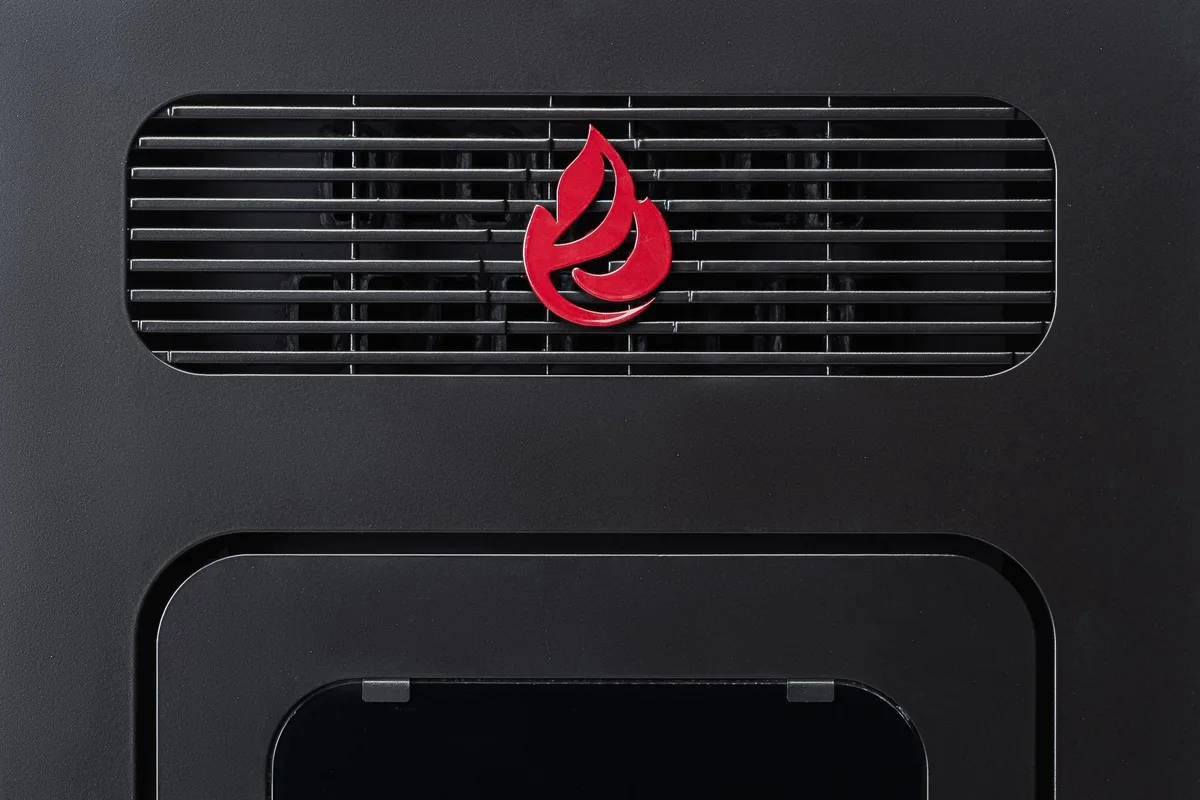
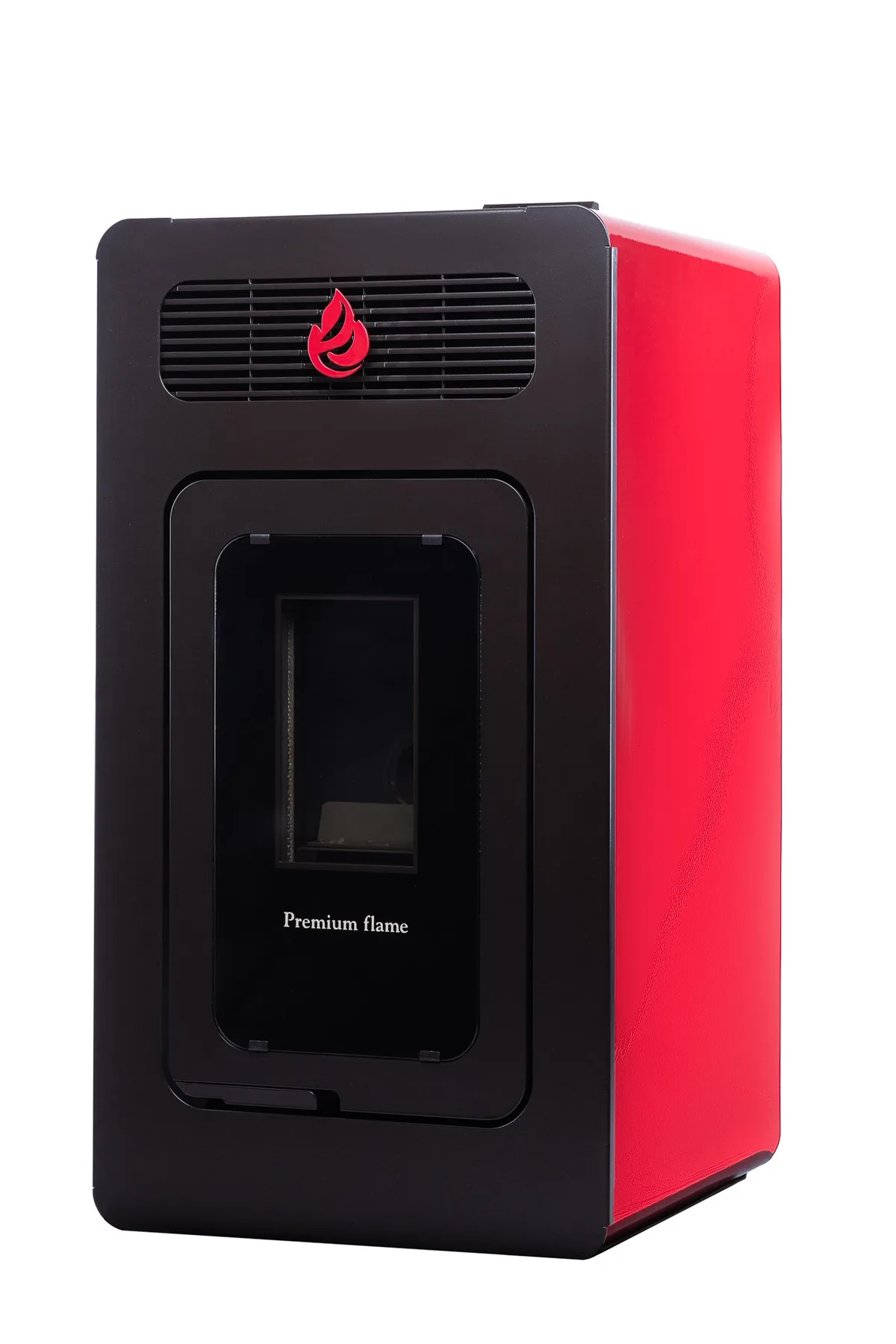
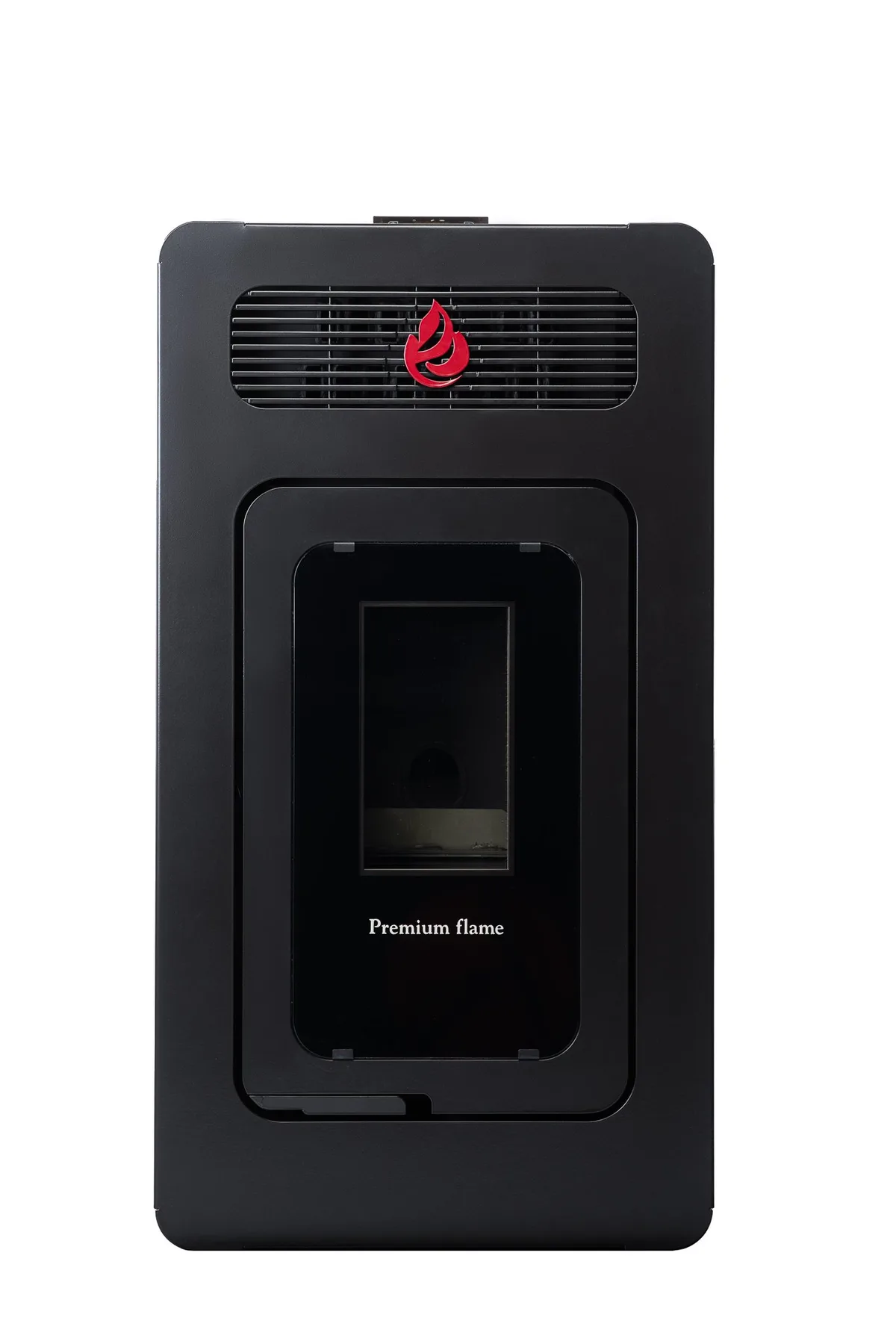
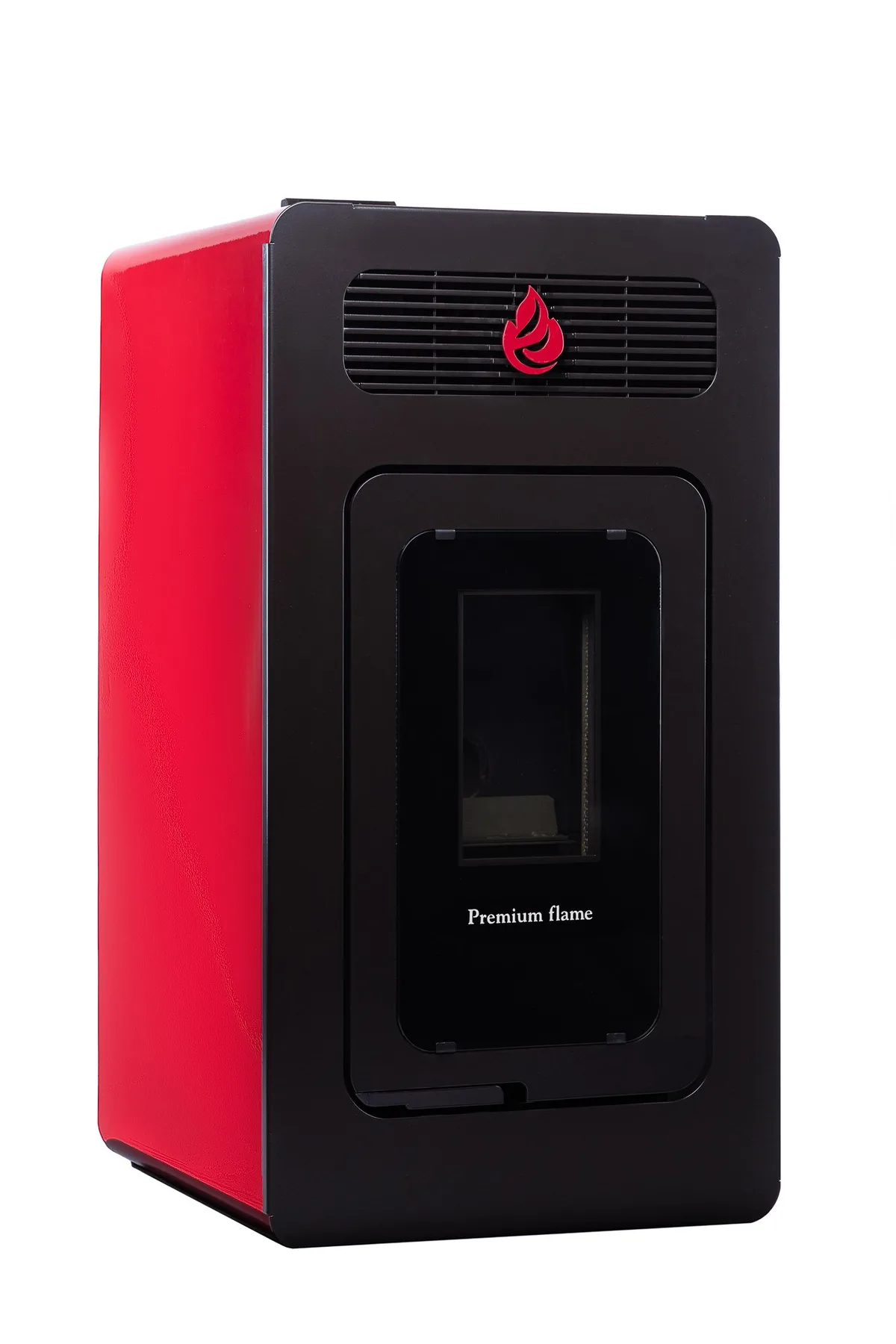
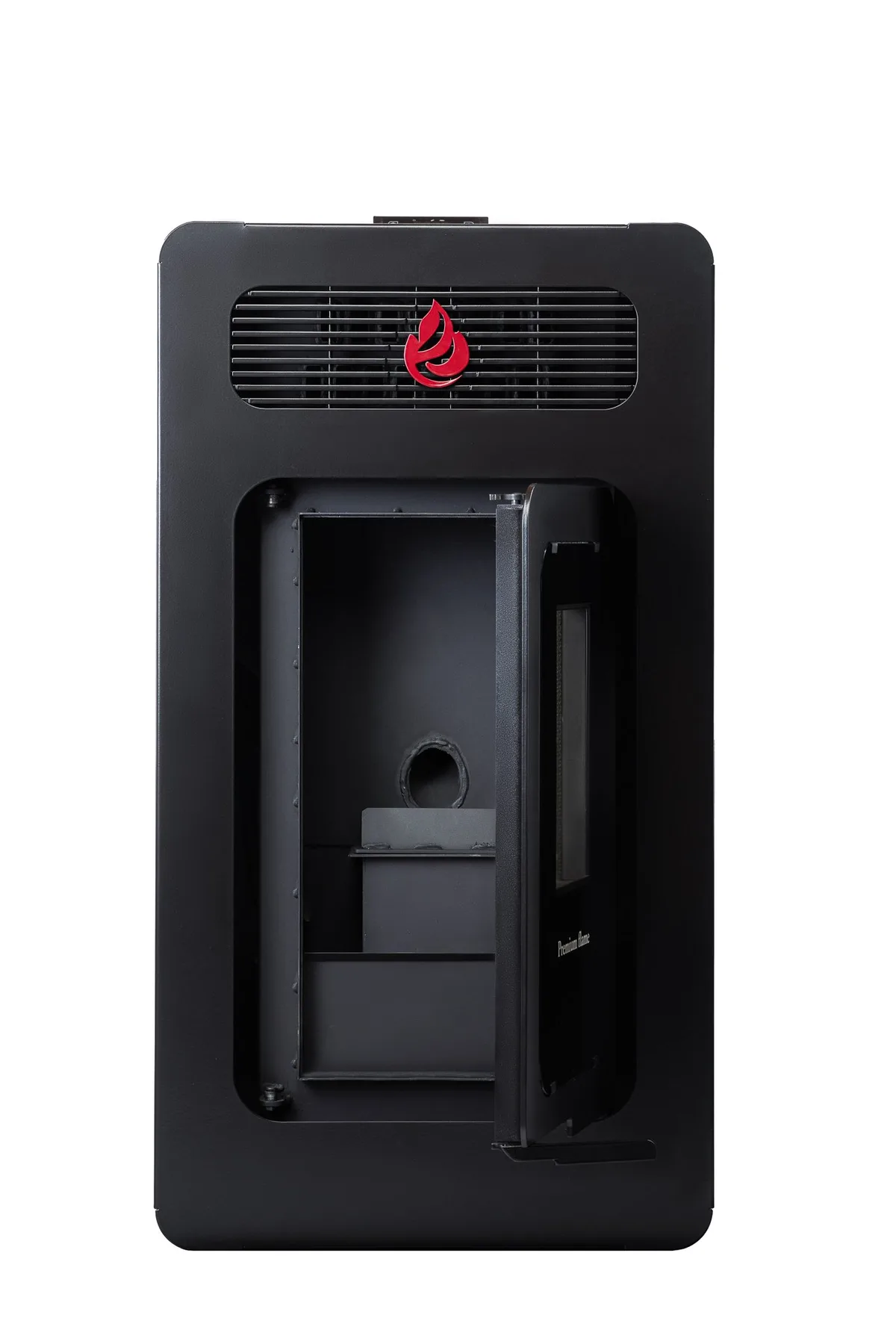
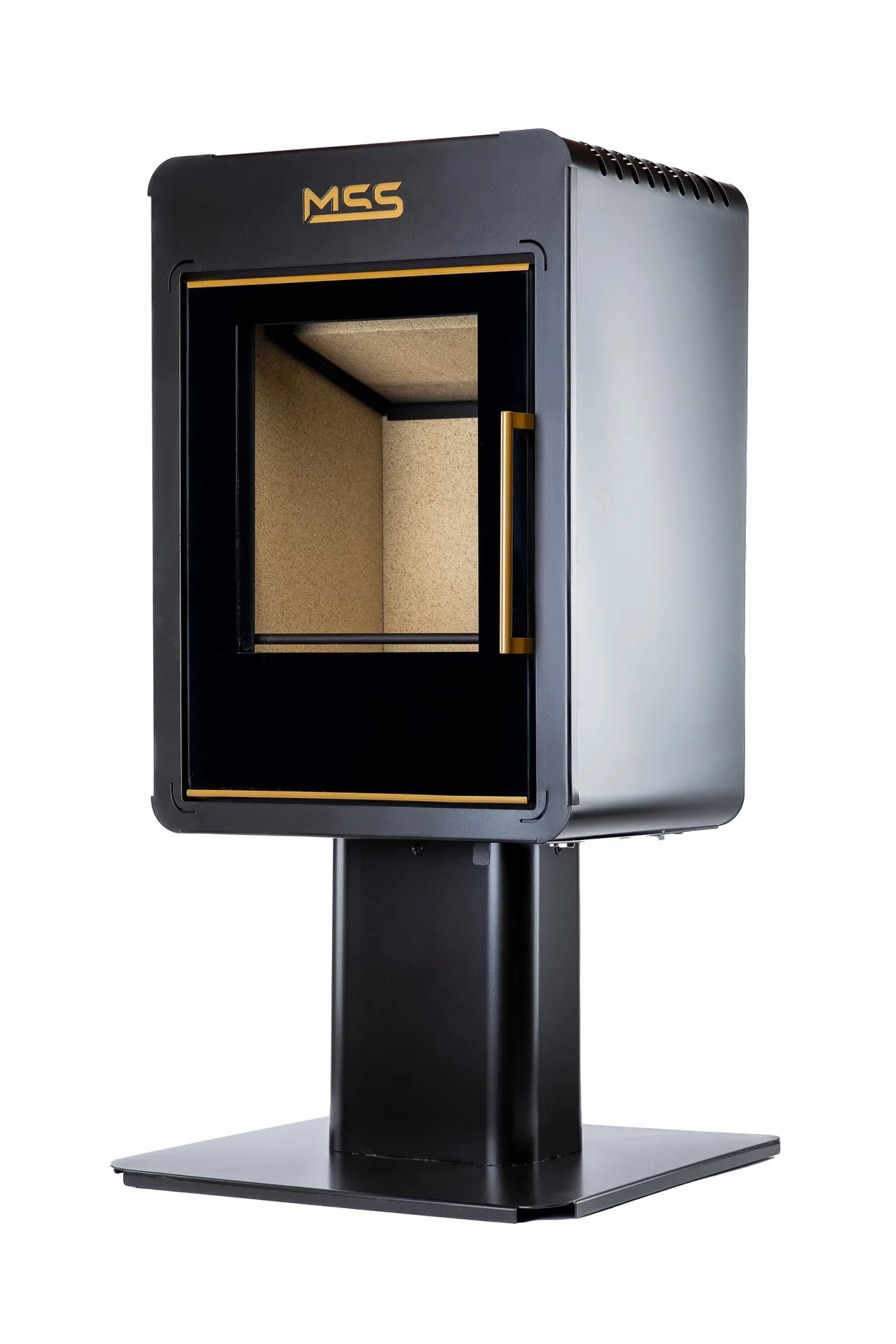
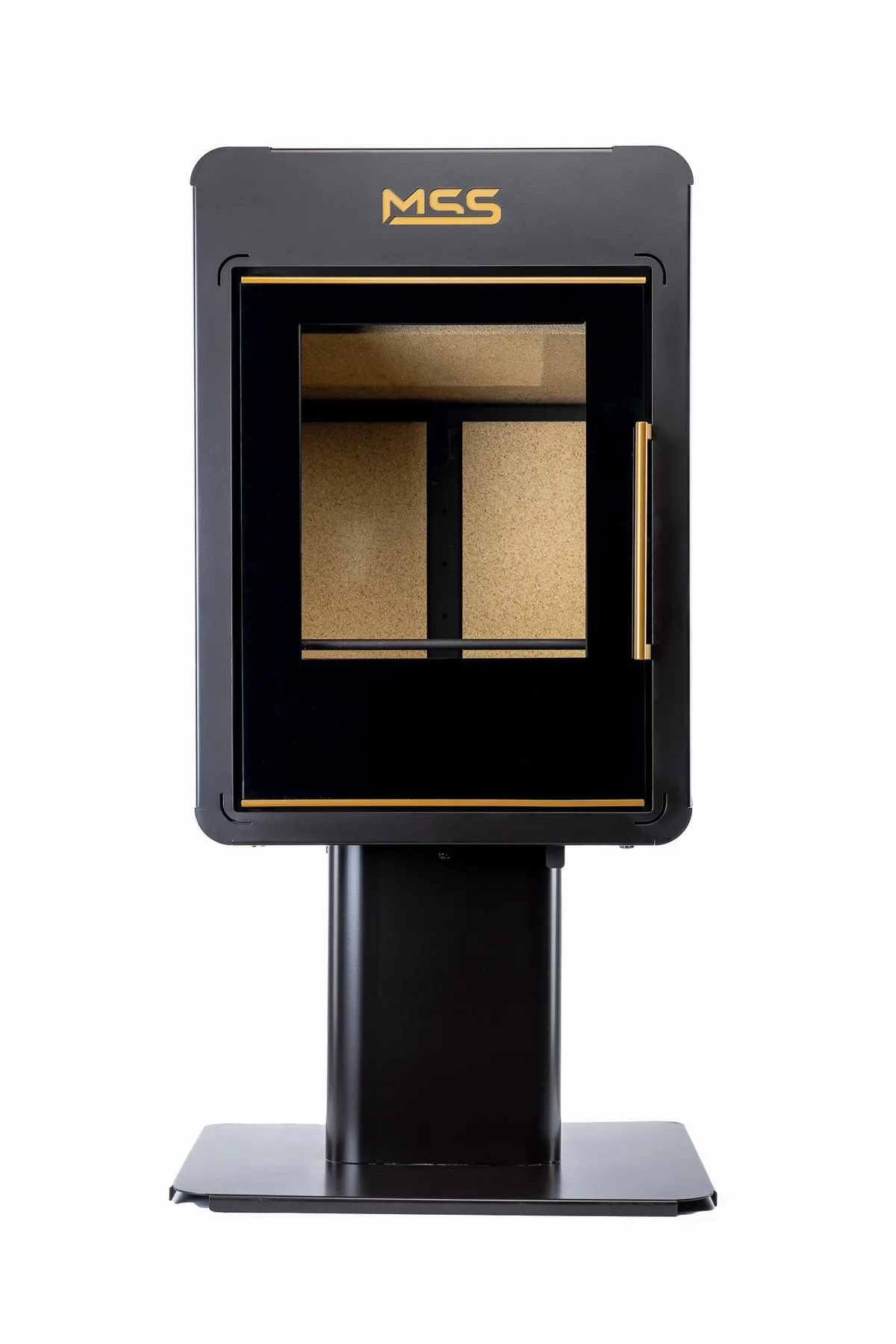
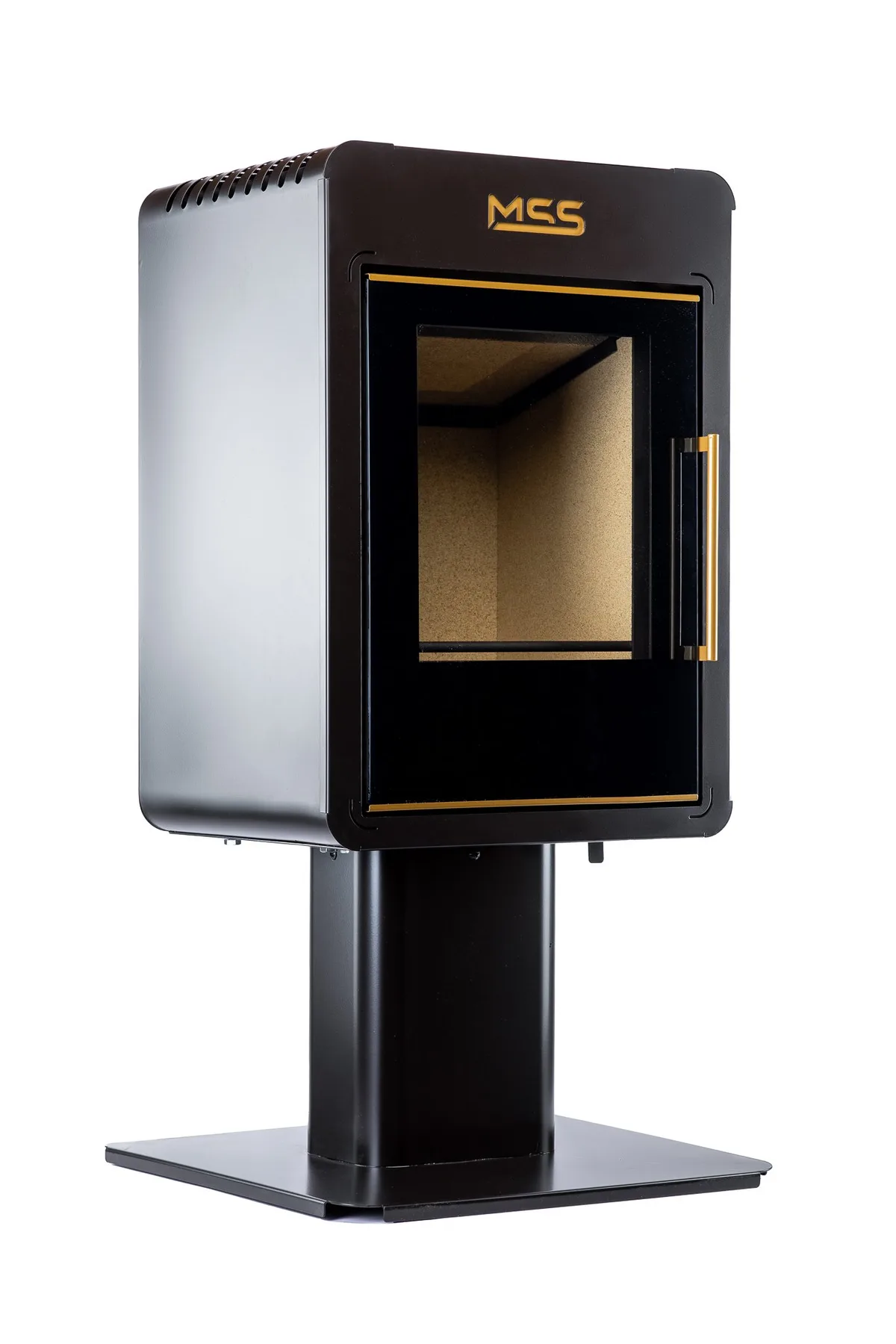
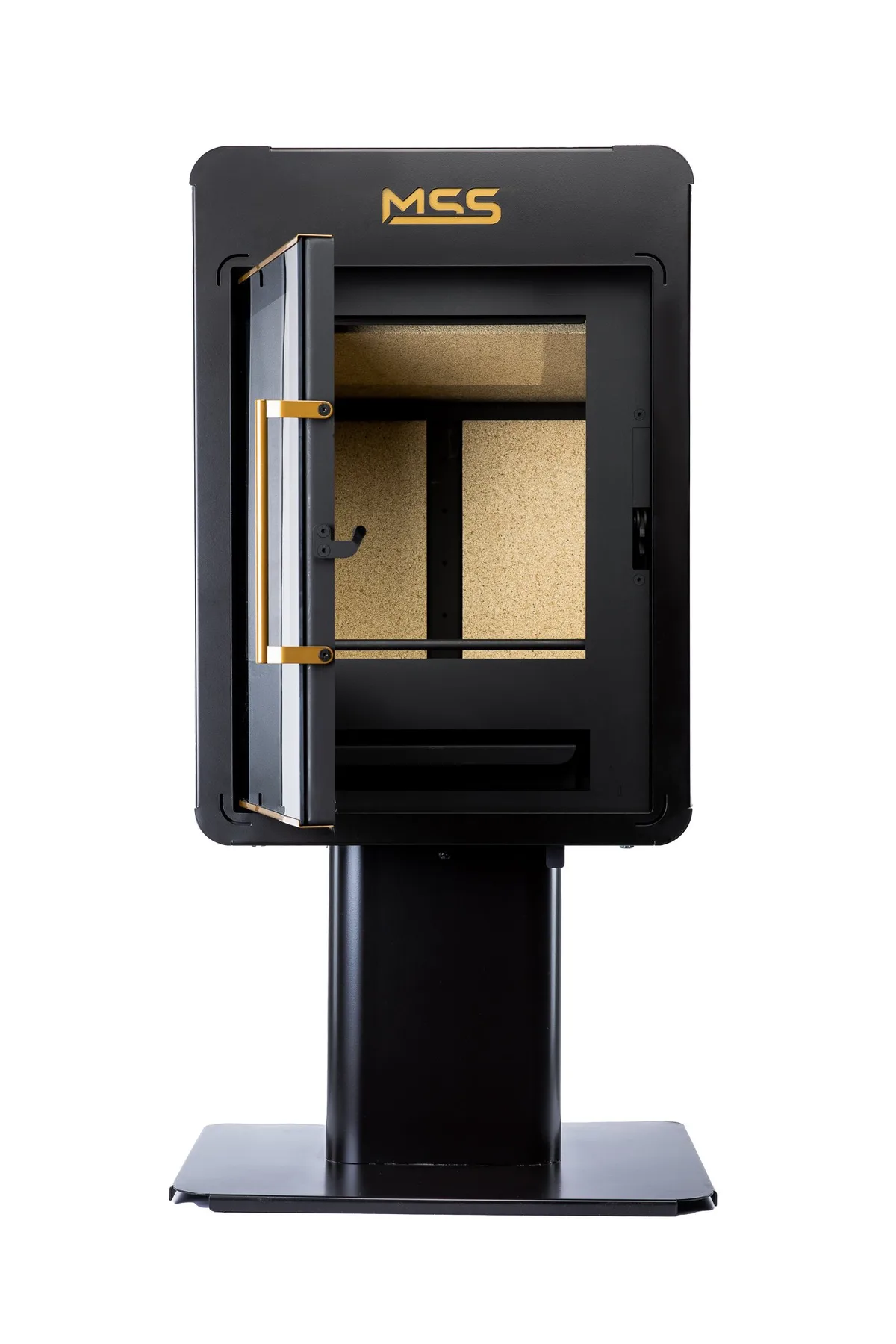
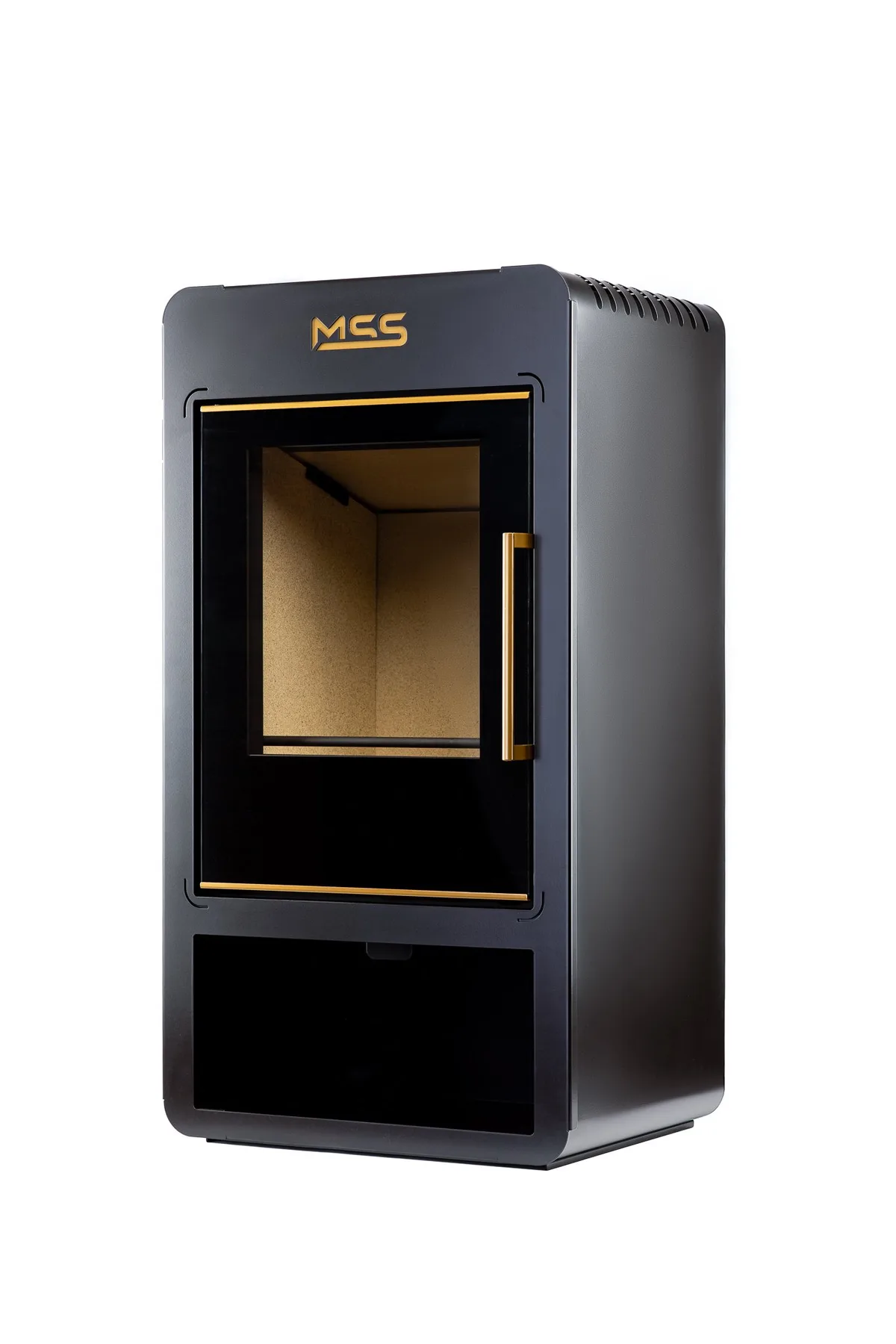
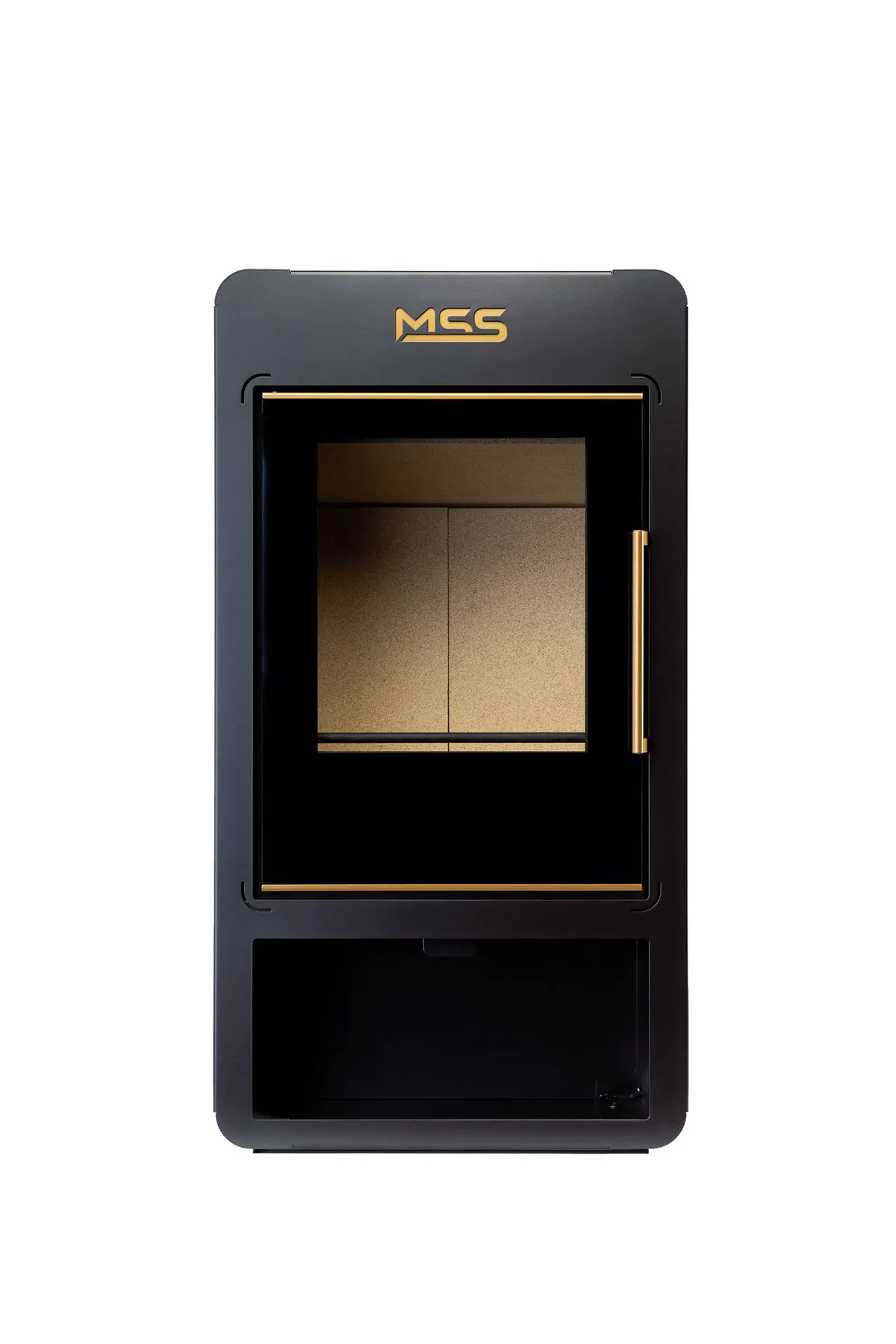
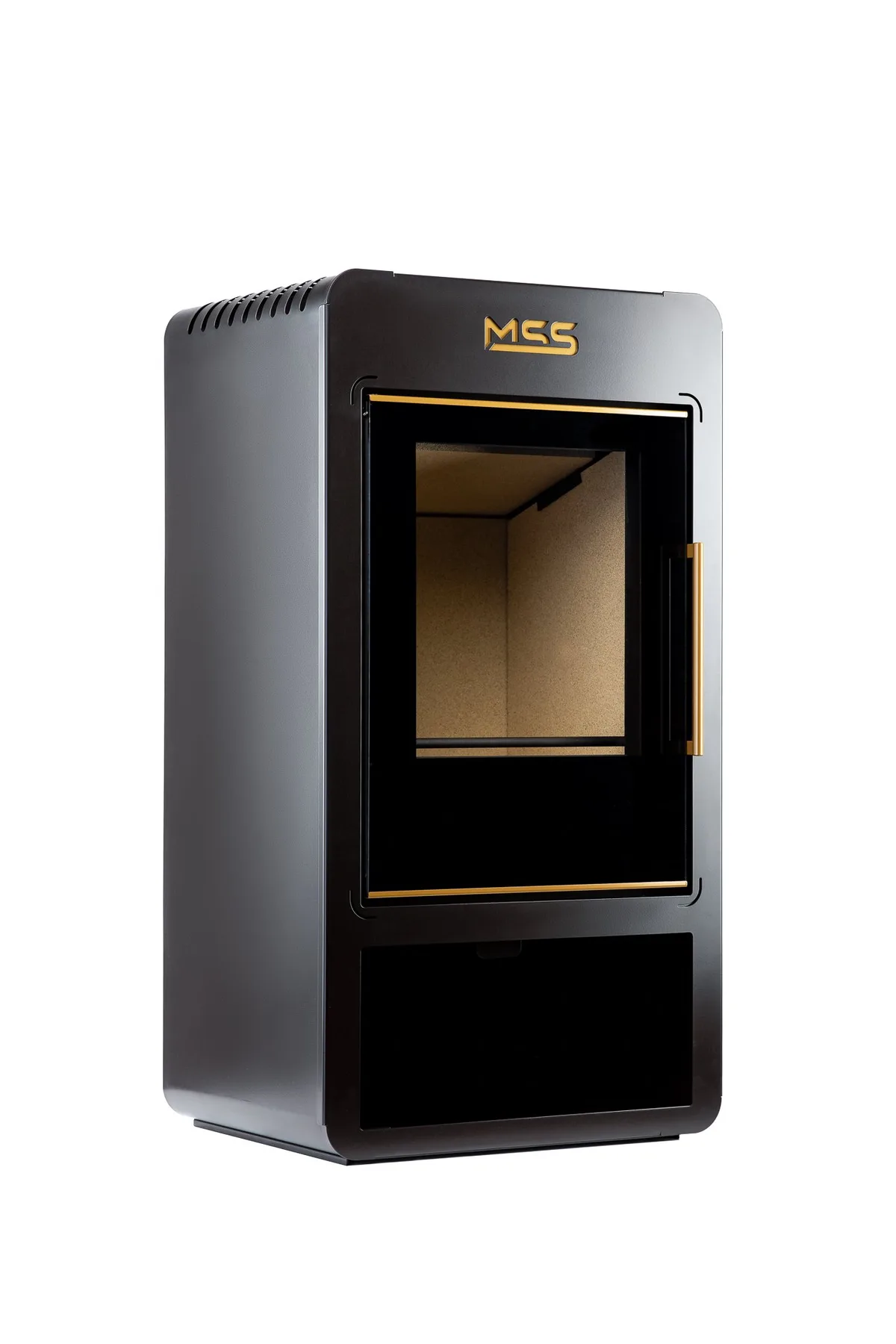
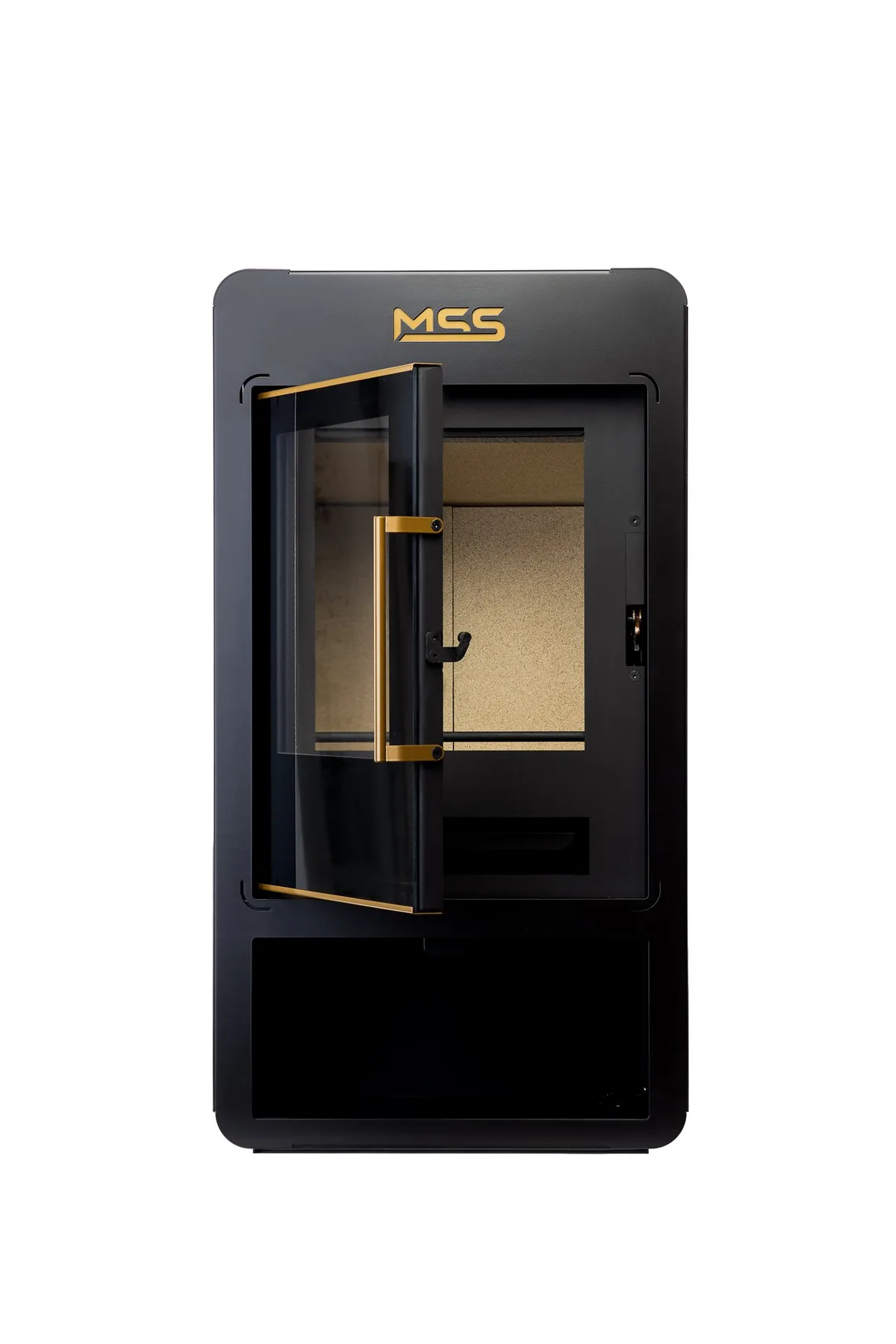
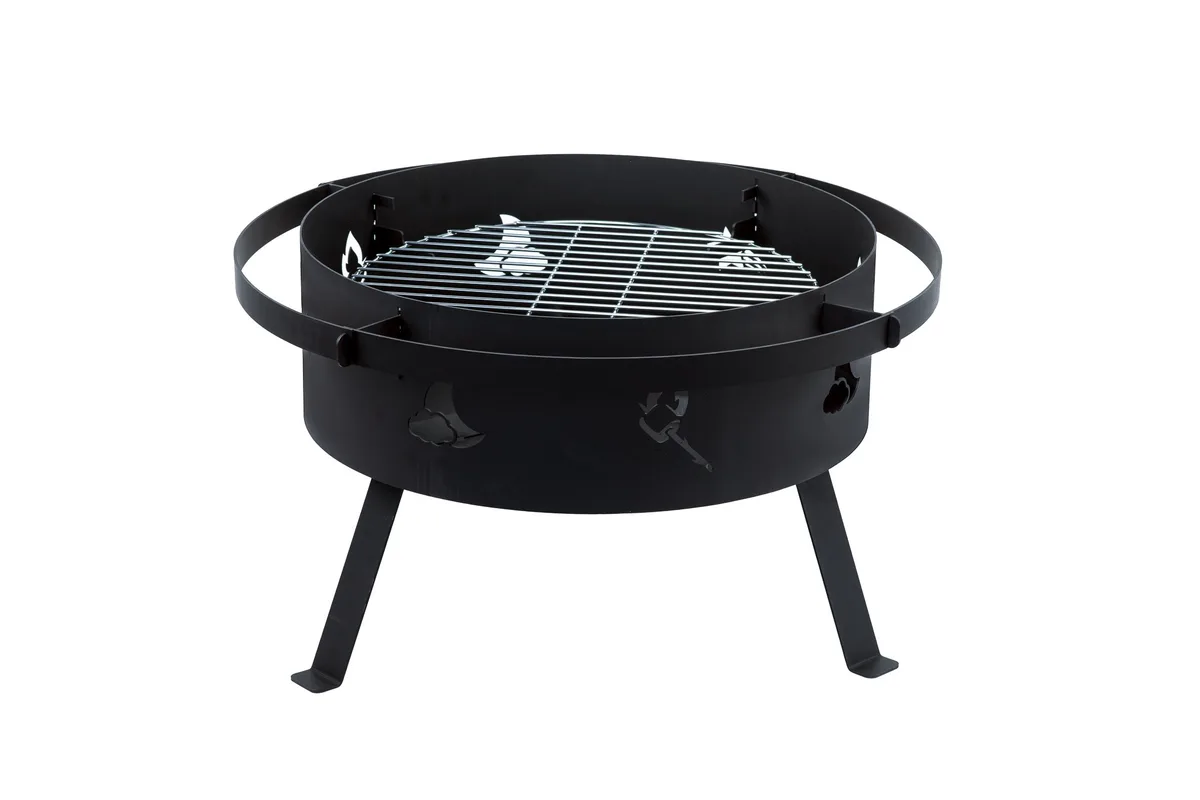
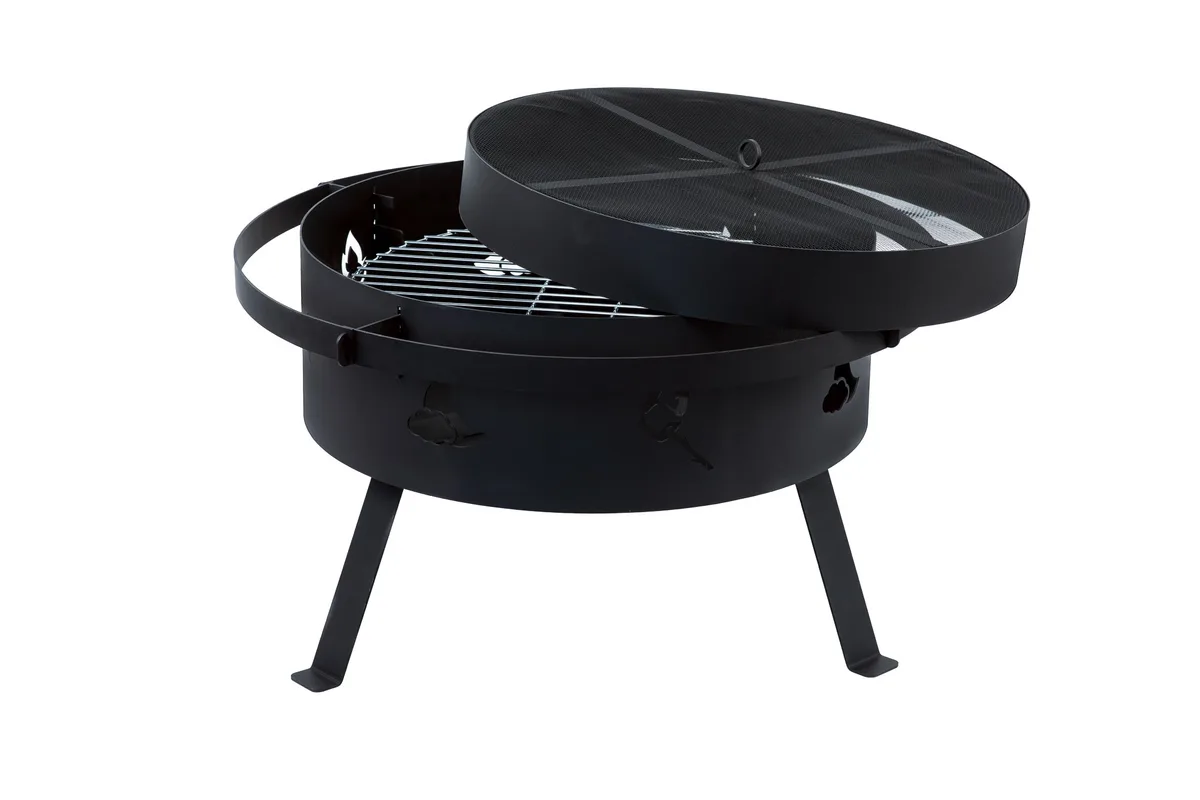
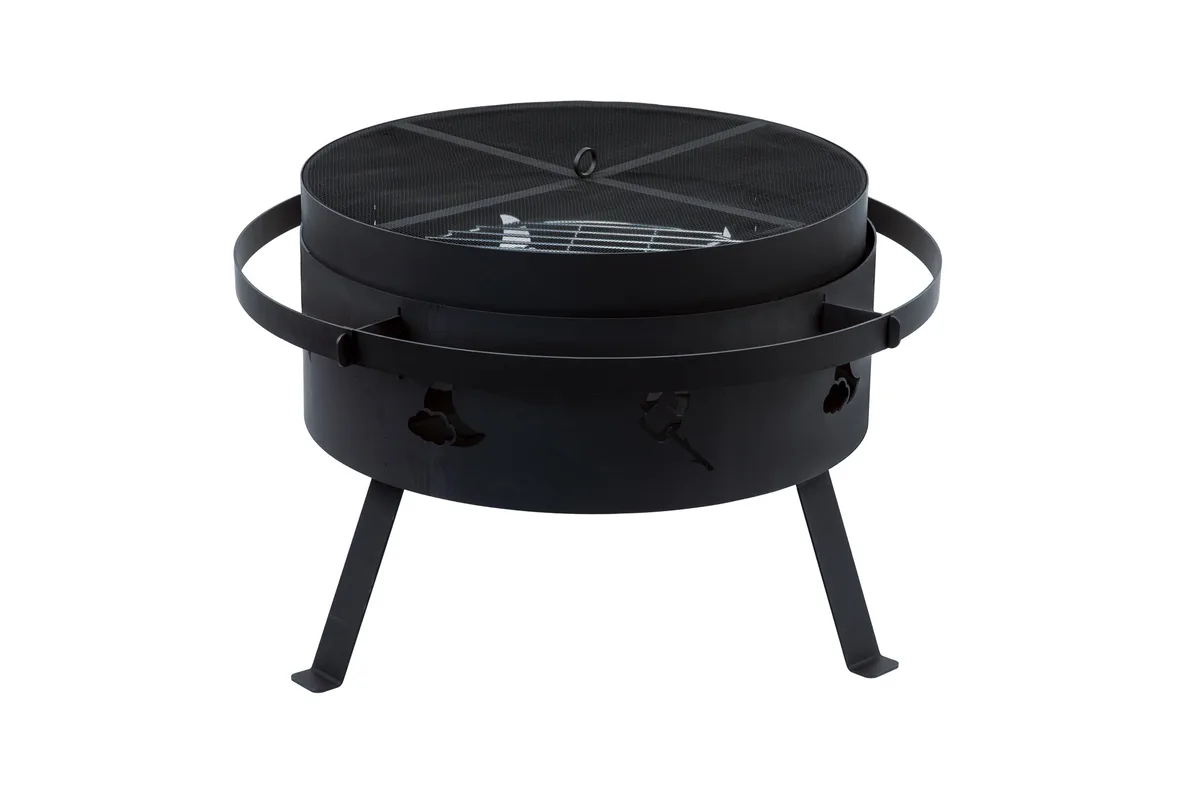
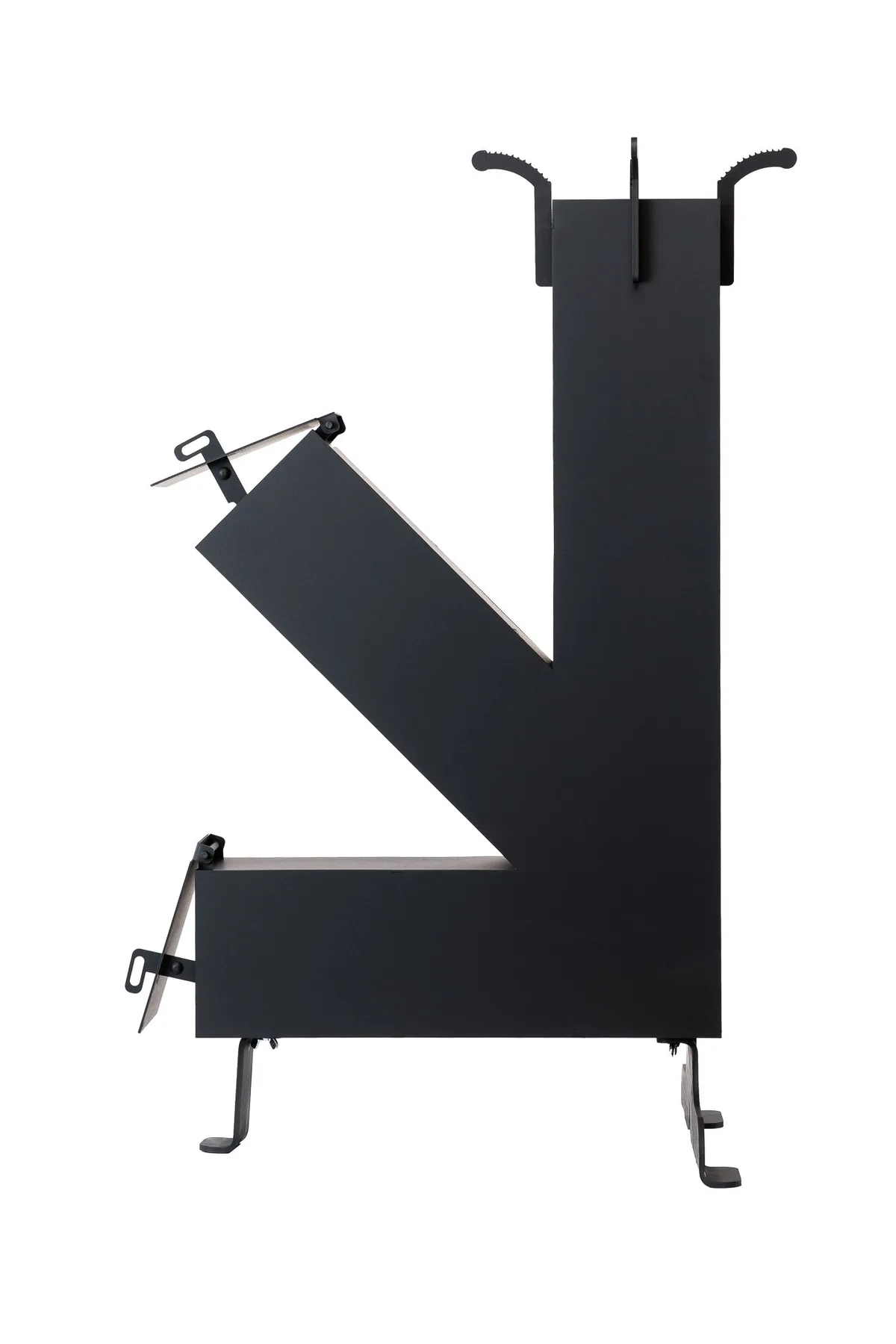
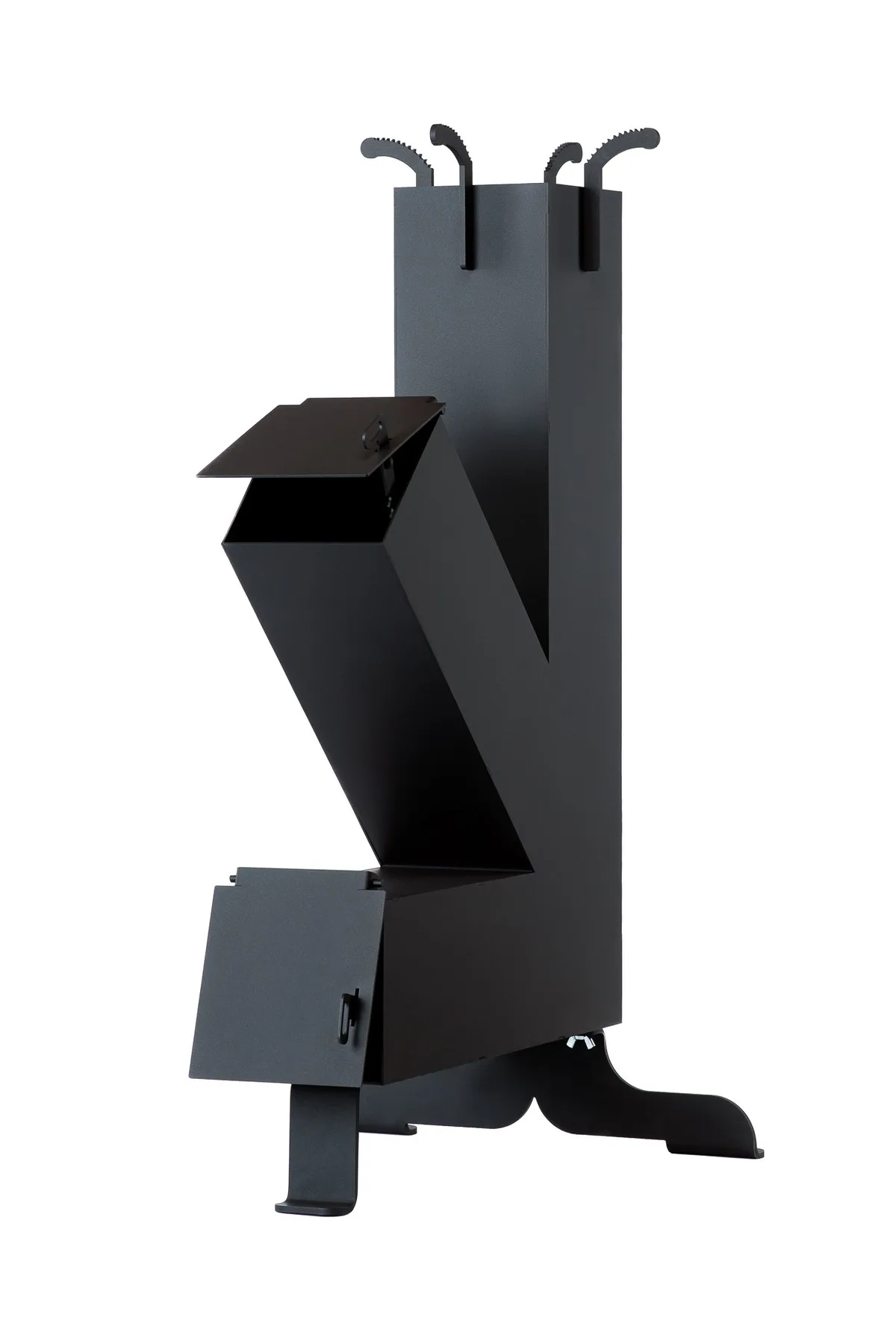
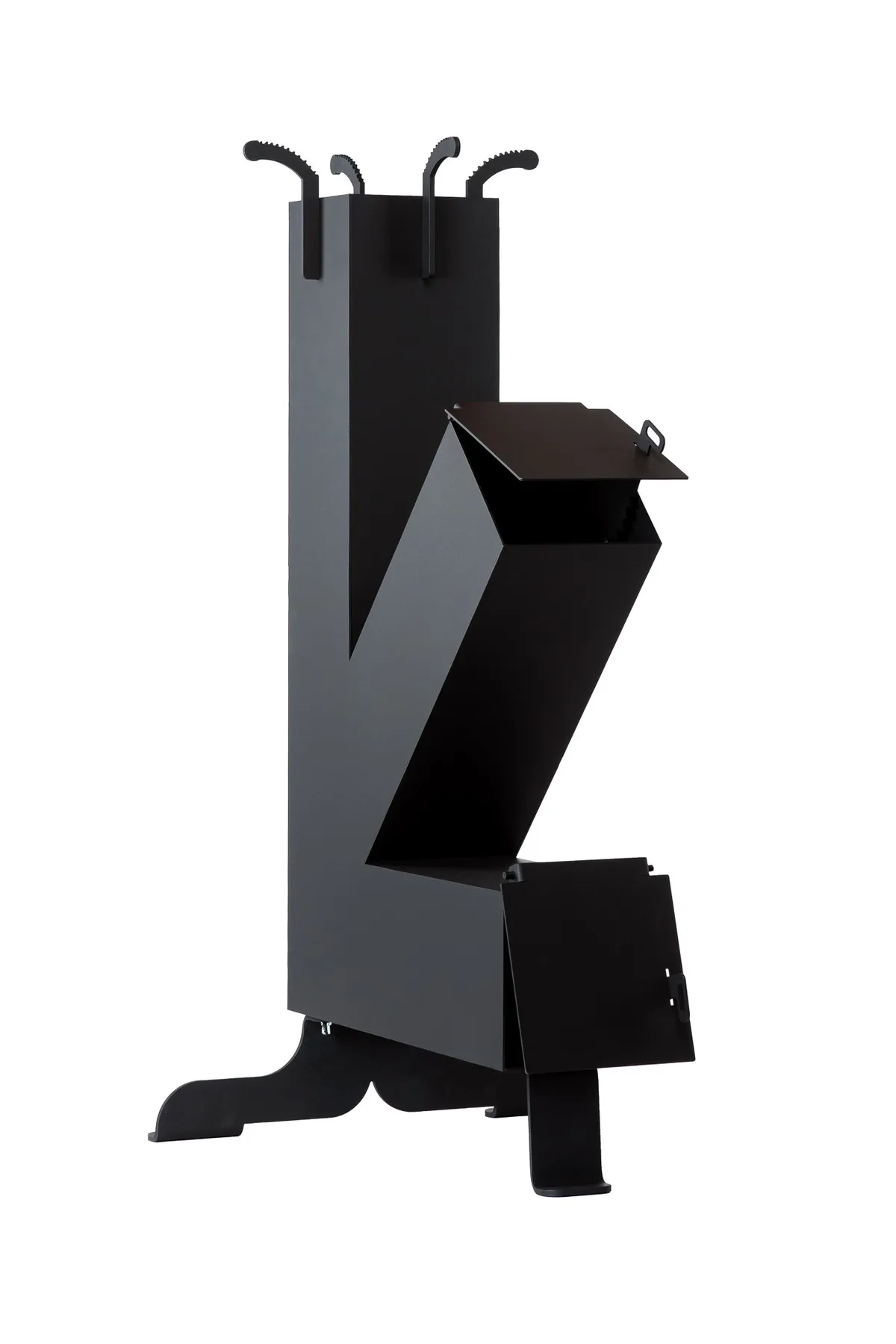
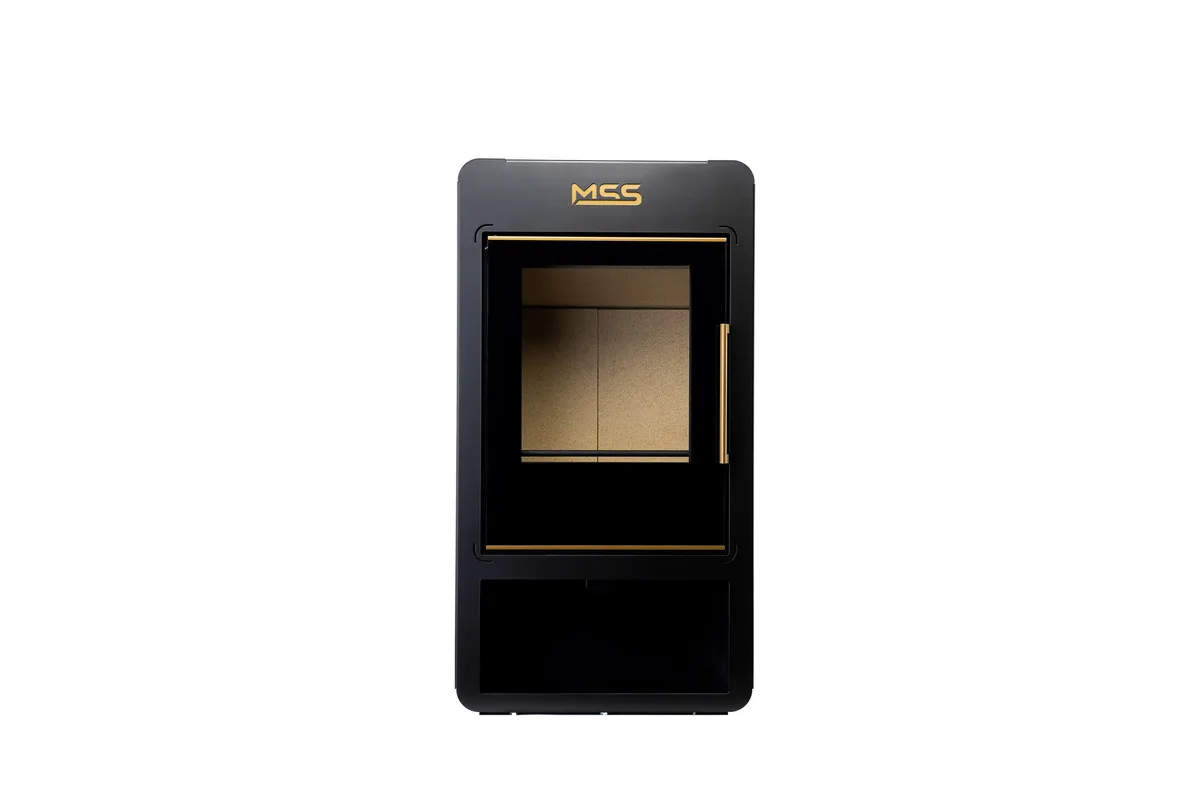
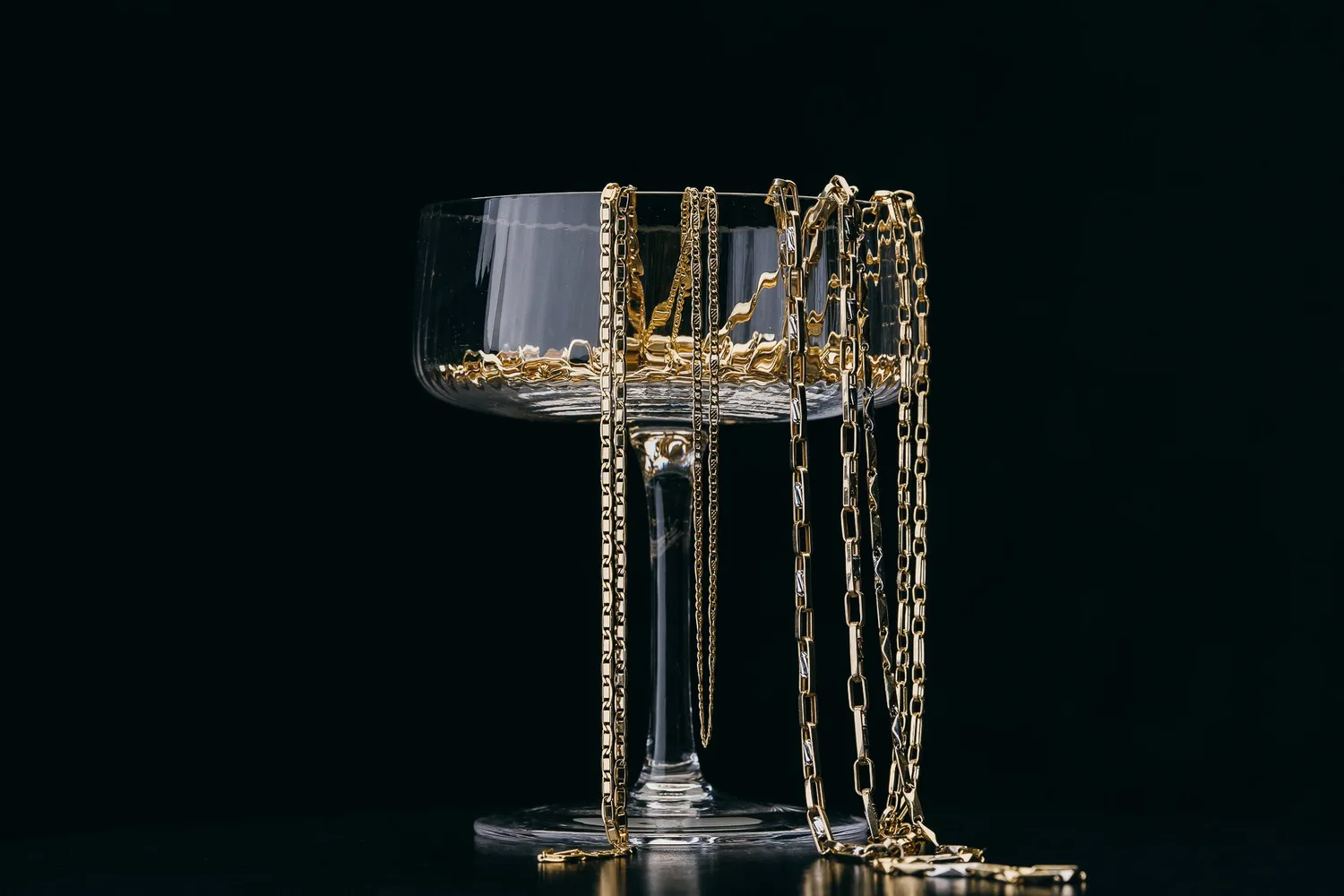
For Miklós Steel's (MSS) new boiler we created an image series that shoppers can spin around themselves on the website, and view with the door open or the lid raised. We first photographed the company's products in 2023 (shown below); October 2026 was the next step.
Drag the image to rotate, or open the door and the lid with the buttons. The client received this same viewer: it embeds into any website with a single line and works on phones too.
Alongside the viewer: a video for social media and six stills for the online shop, in the same light and at the same scale as the series.
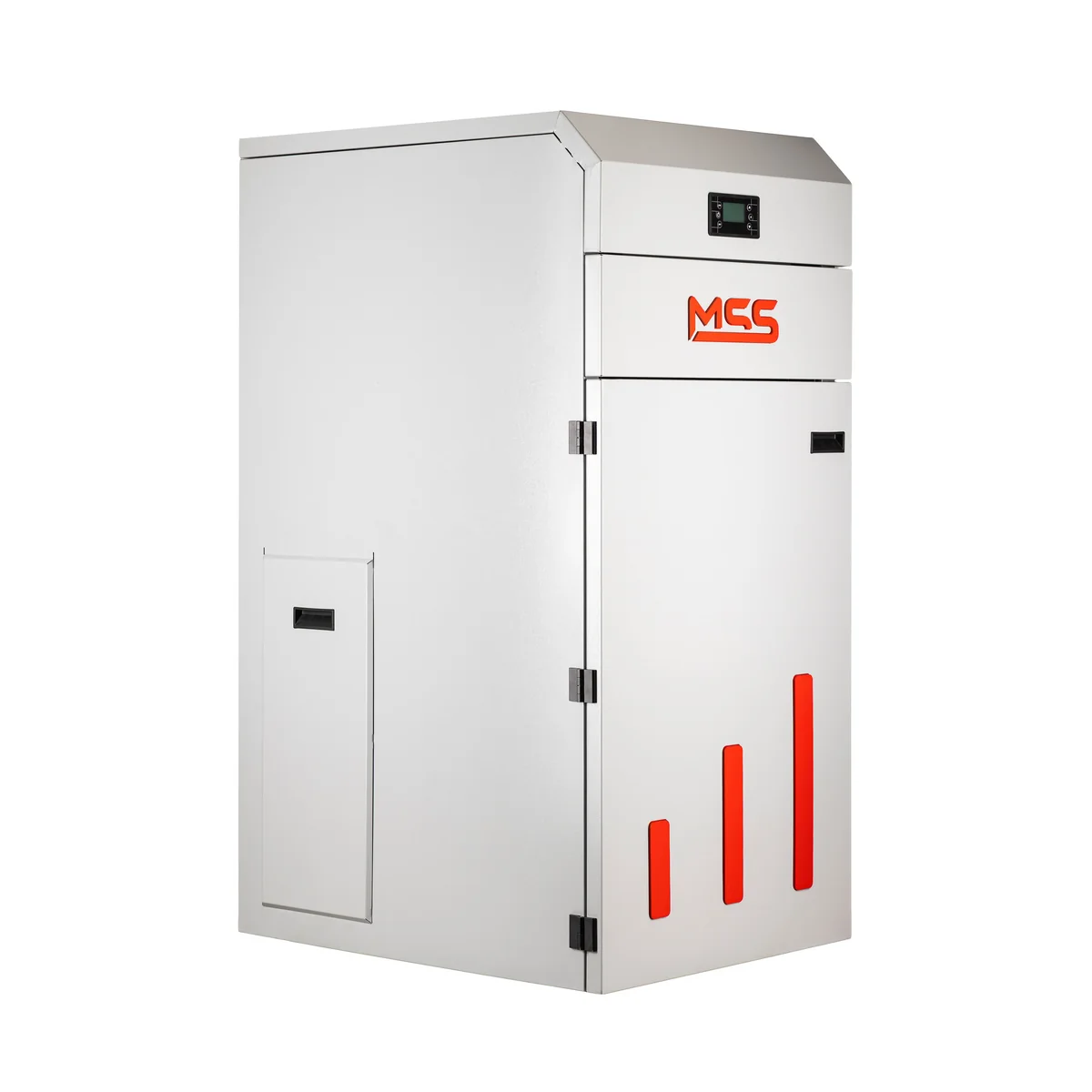
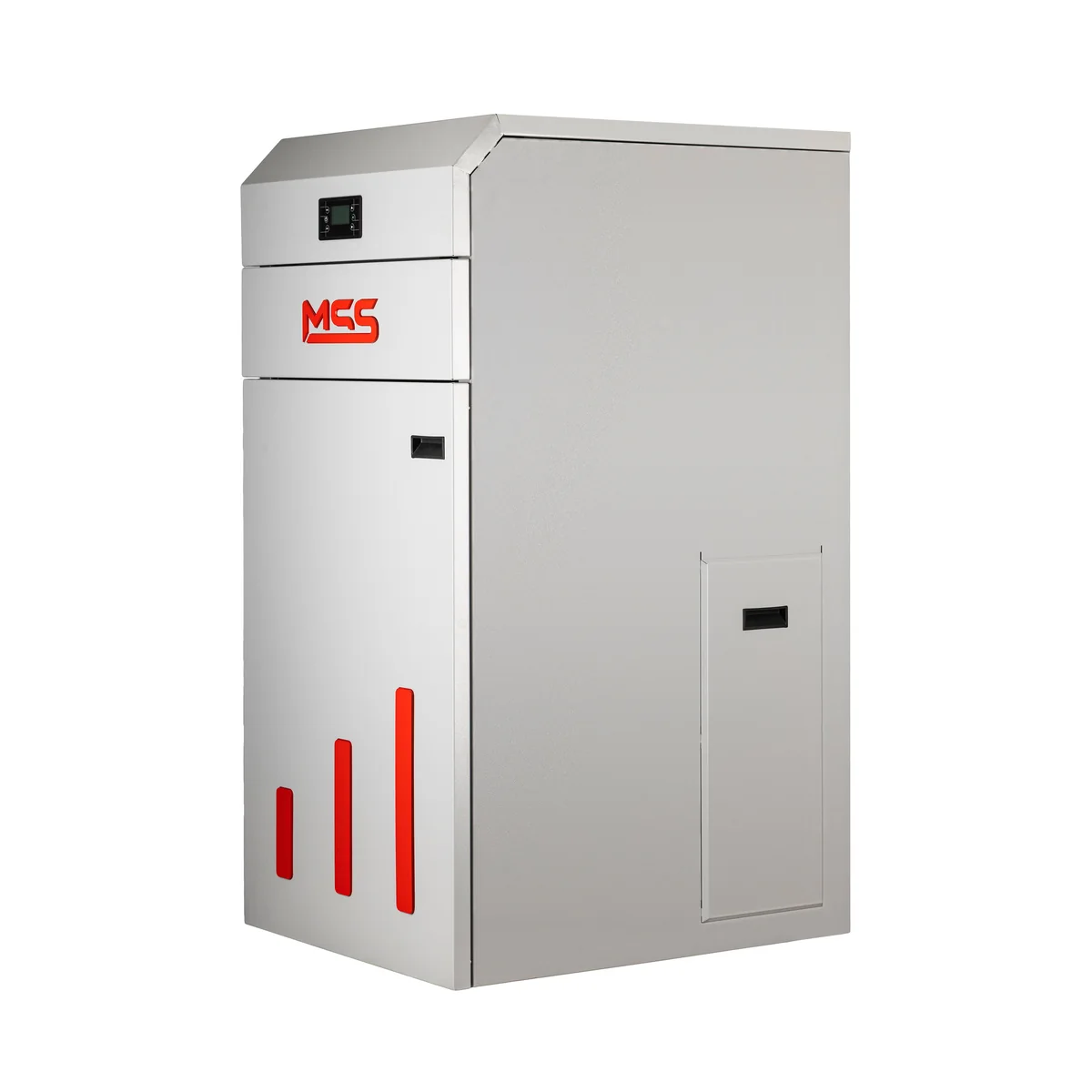
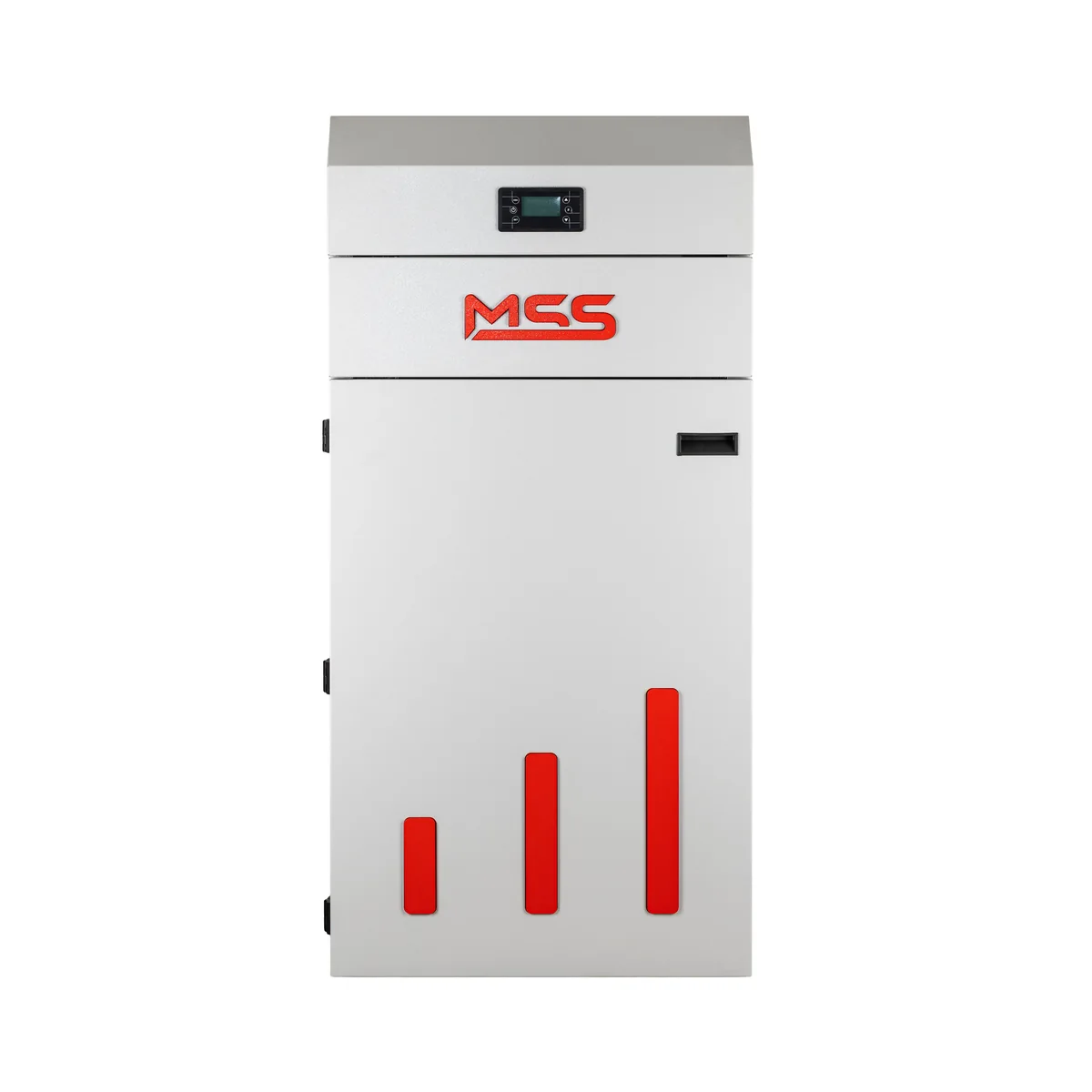
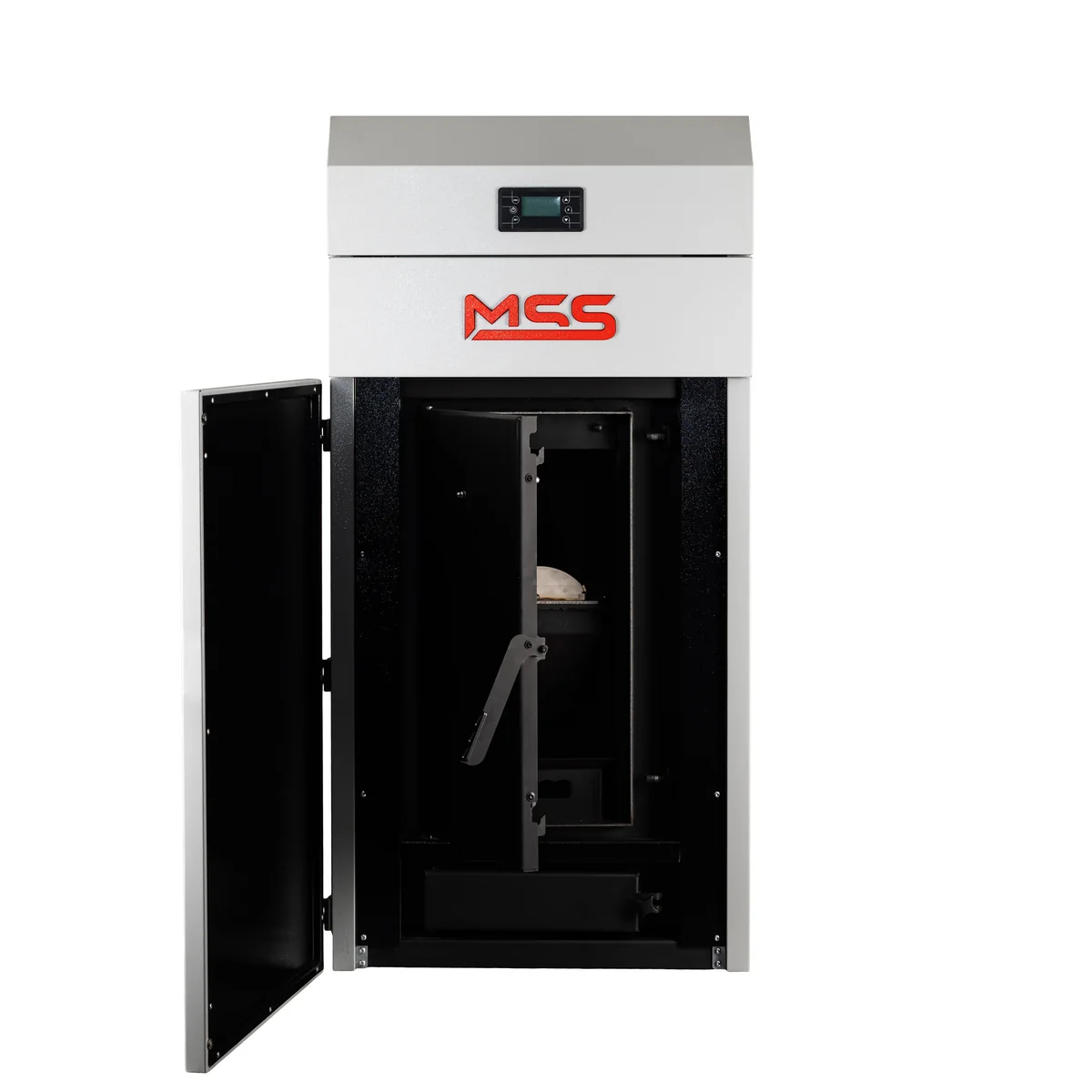
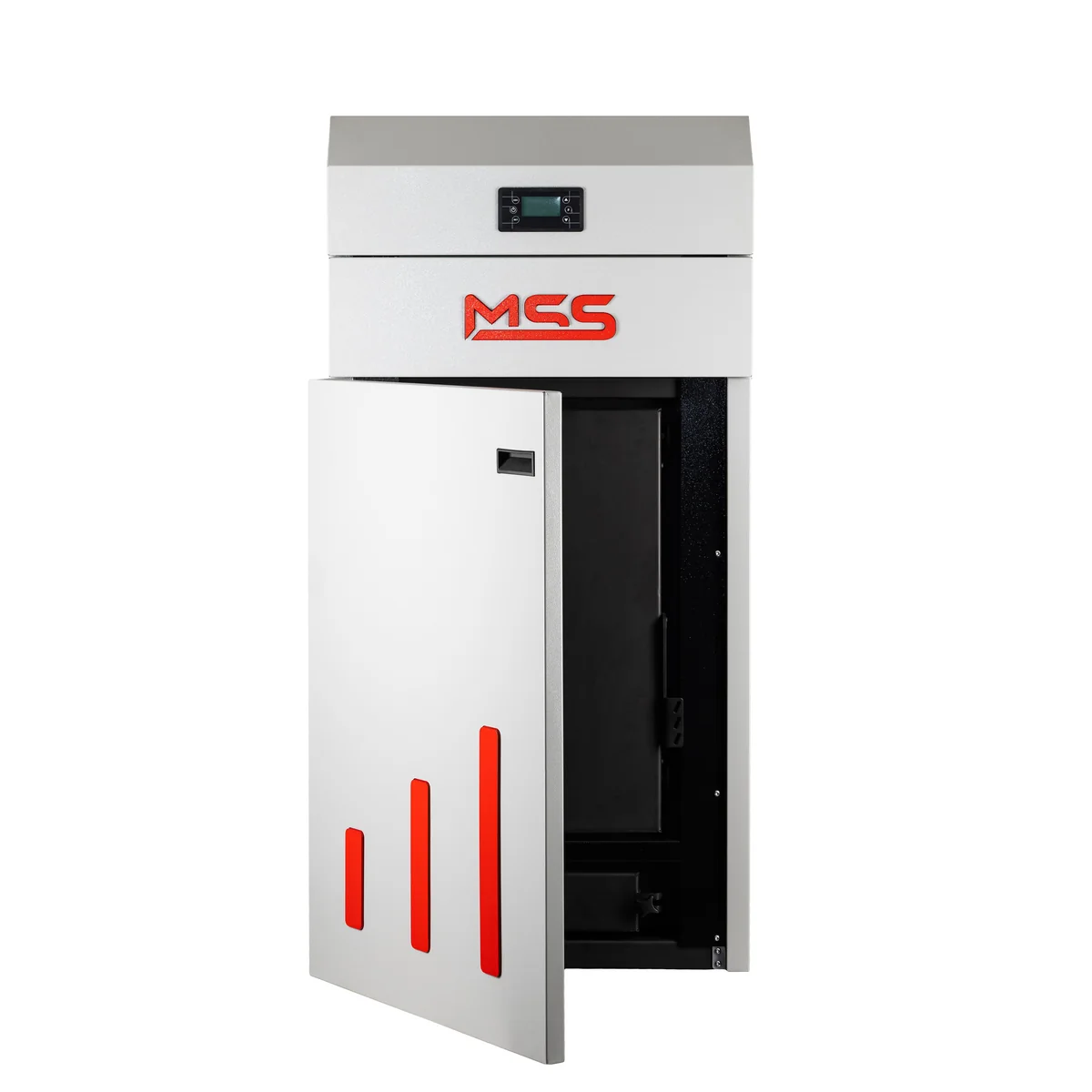
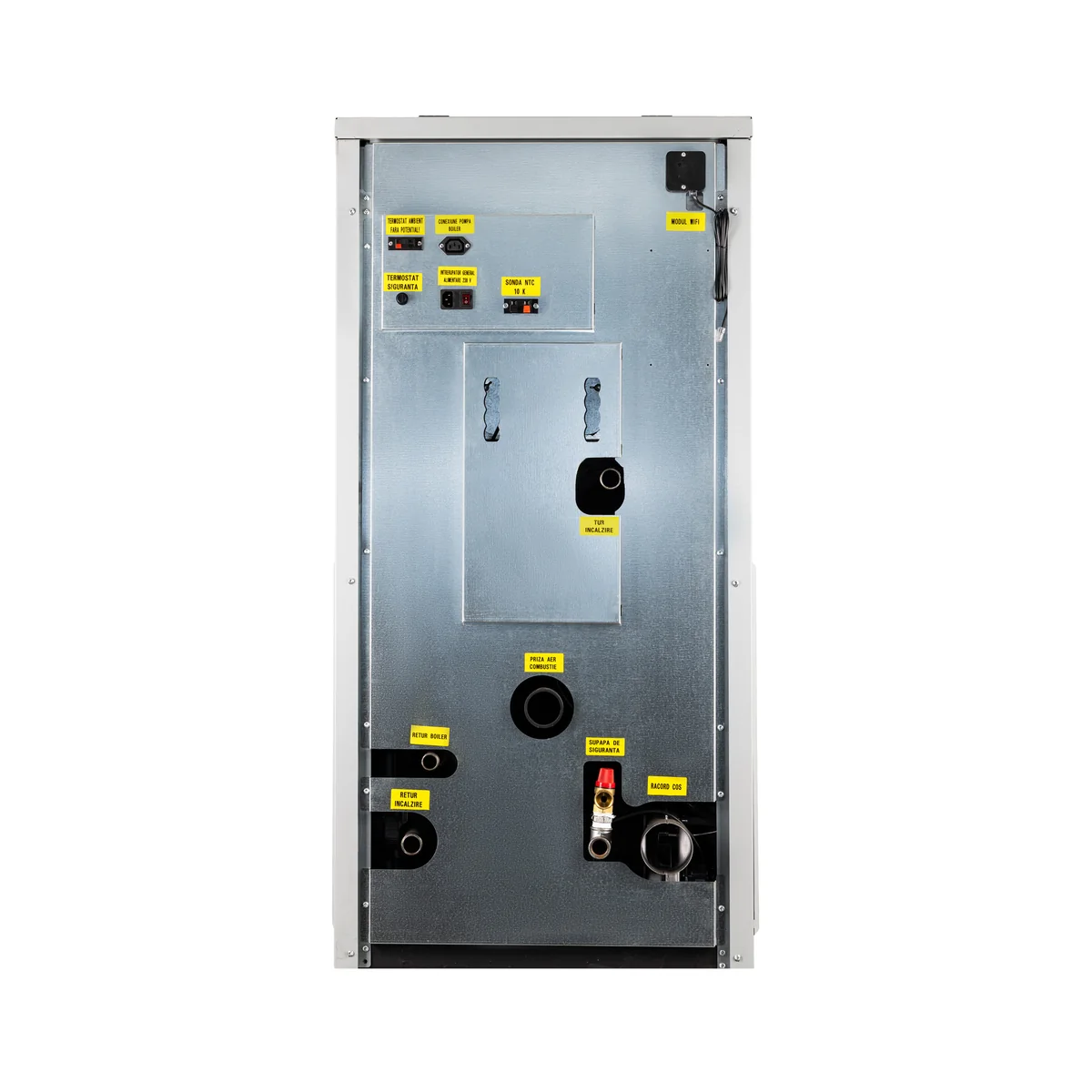
Drag the slider. Left is the raw photo, right is the finished frame, in exactly the same position, to the pixel.
The photo was taken against a grey studio backdrop, on a turntable, on a pallet. The finished image keeps only the product, on clean white. The cable sticking out at the back stays, in its real shape.
As the product turns, one side falls into shadow and a streak of light runs across the panel. We brightened the shaded side and the corners on a separate layer and smoothed out the streak, so the boiler looks the same from every angle.
Left: the cut-out frames as the camera saw them. The pallet was turned by hand, so the product slides, tilts and wobbles. Right: the finished series. The boiler turns in place, it doesn't float and its size doesn't change.
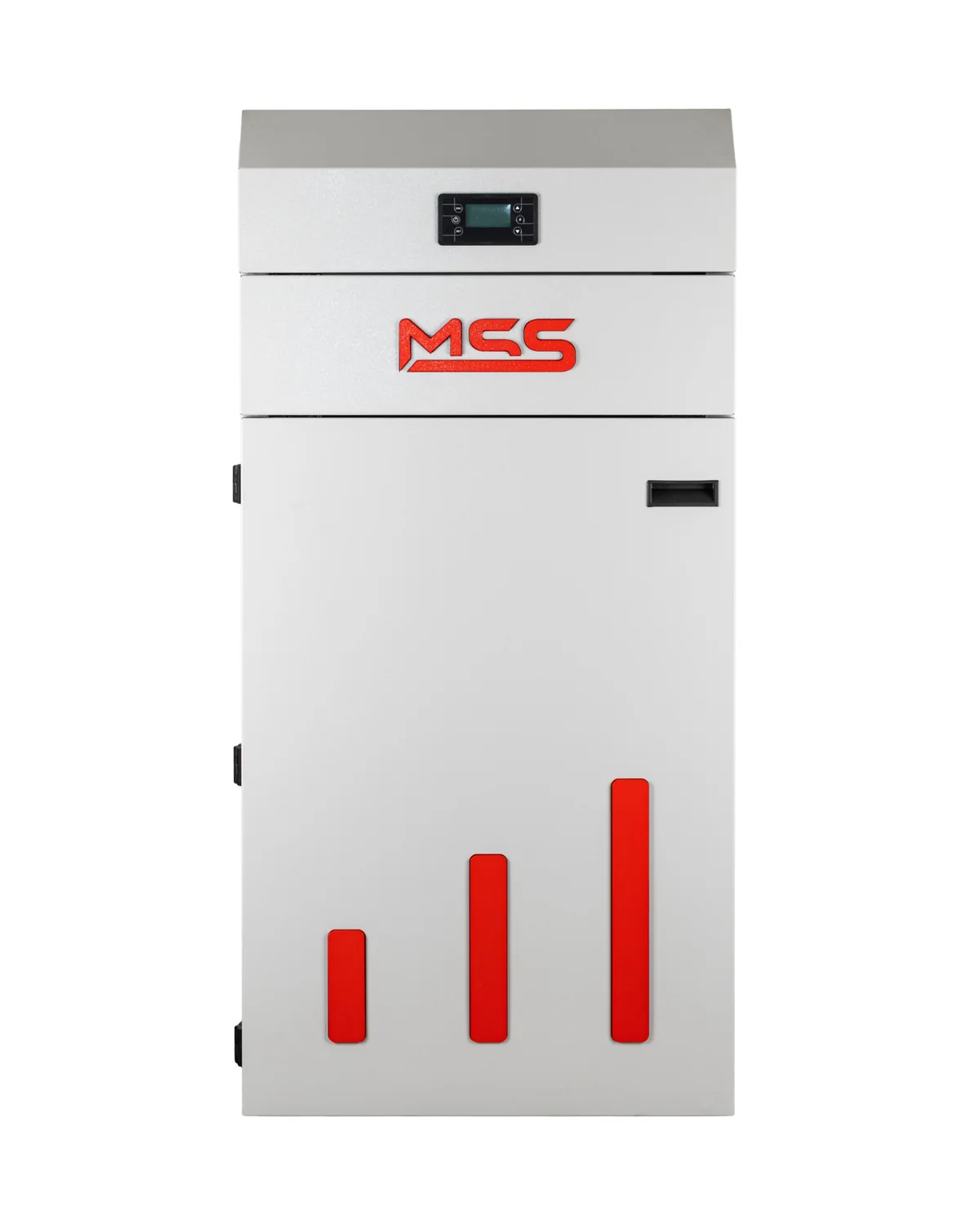
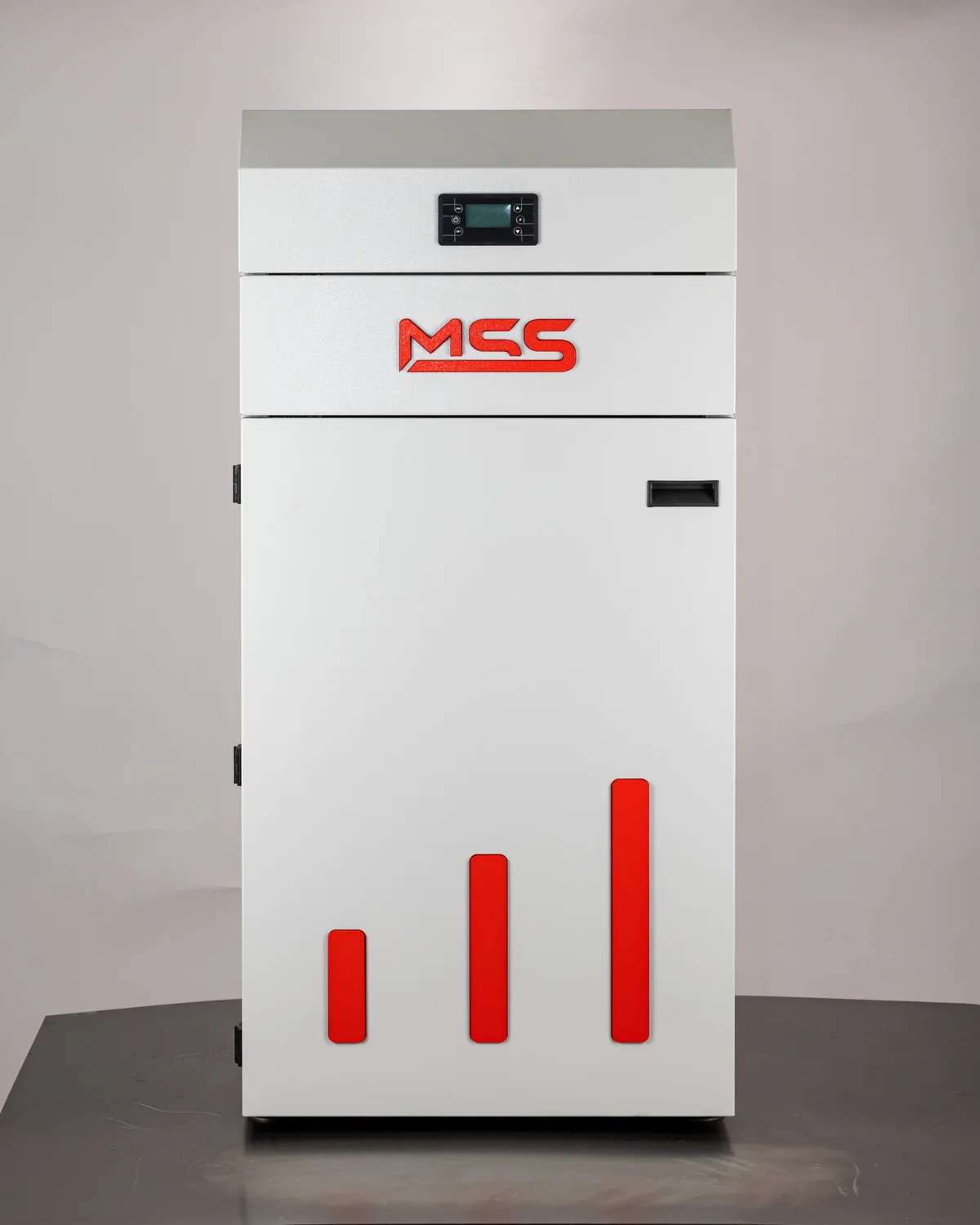 BeforeAfter
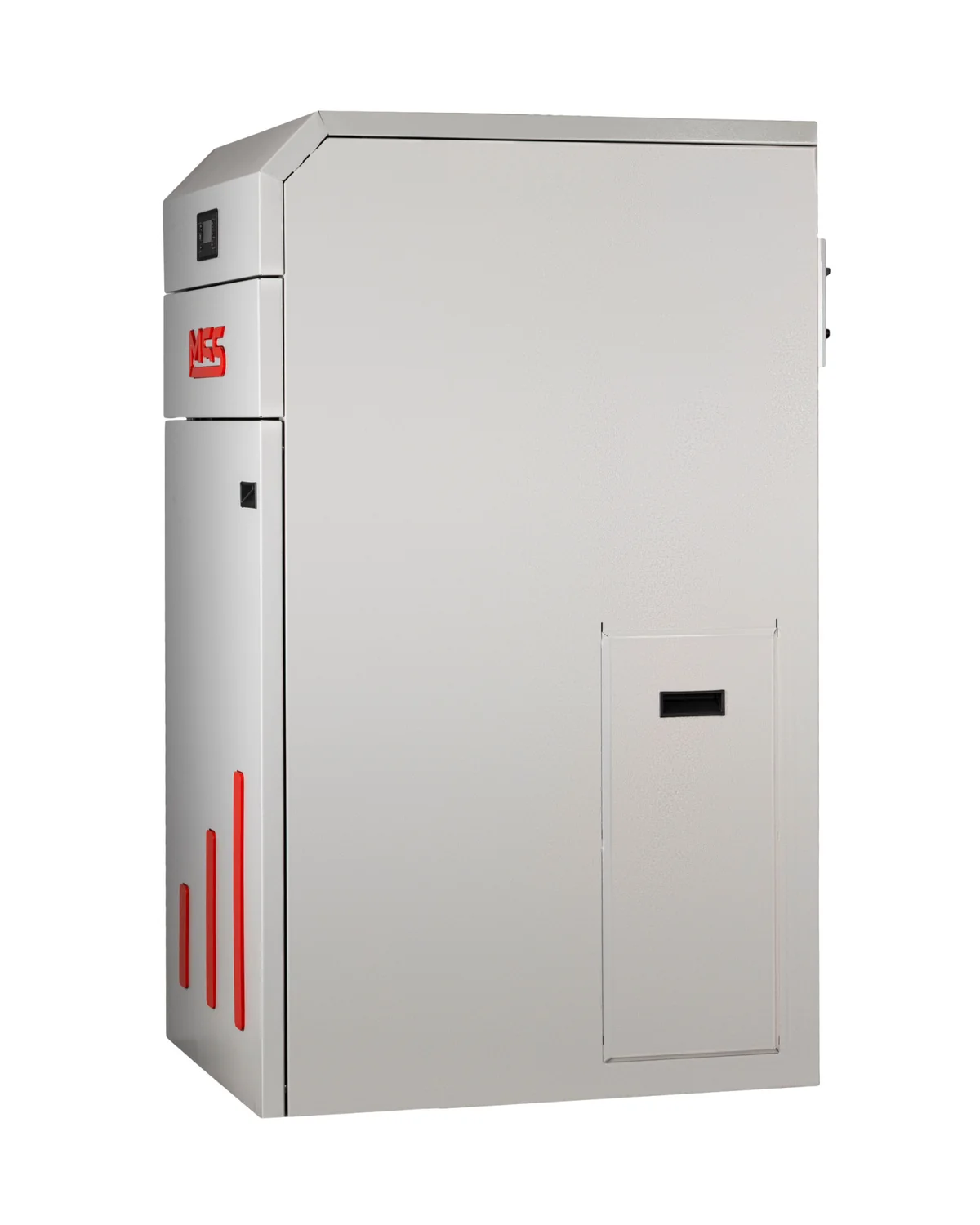
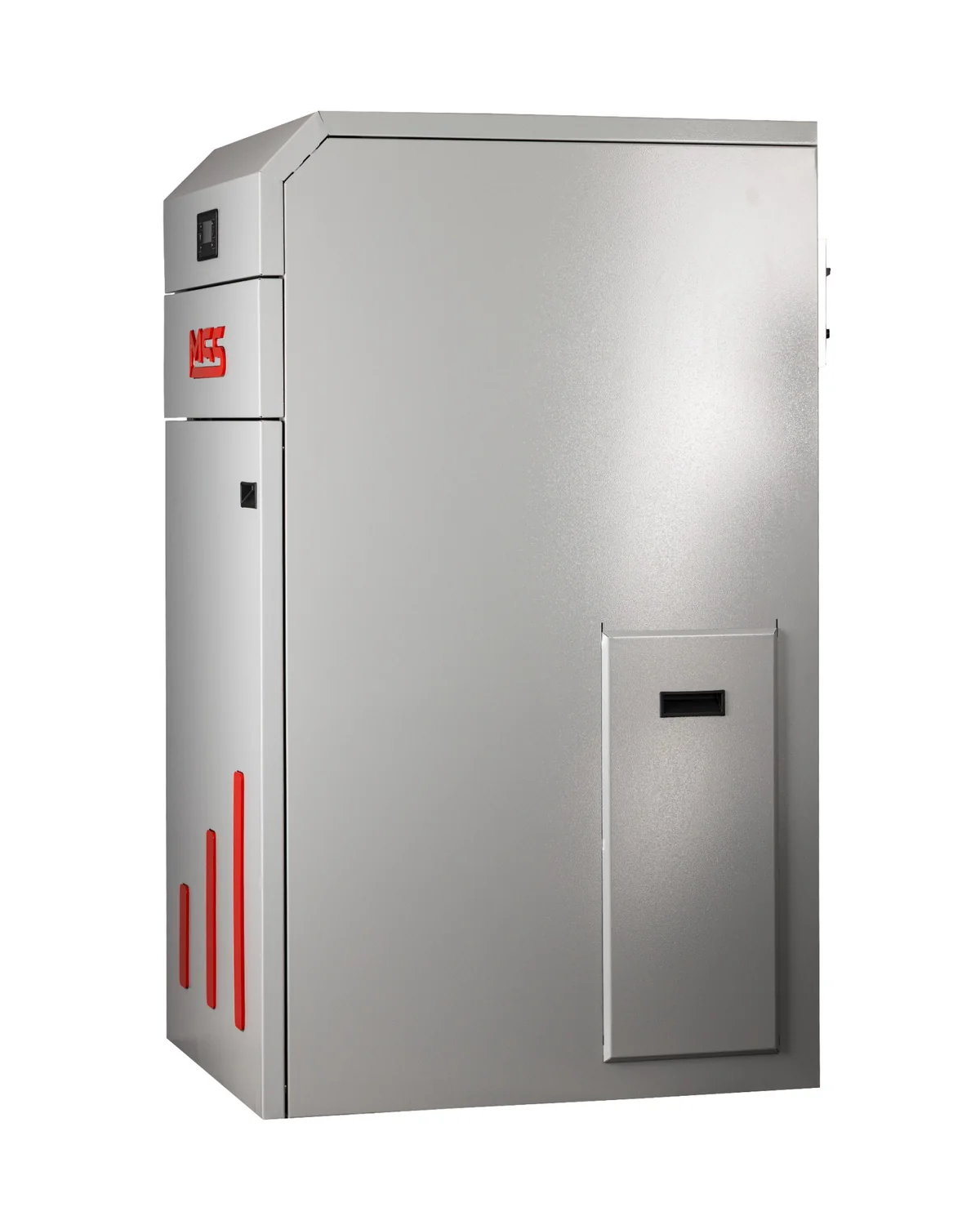 BeforeAfter
A 360° view only works if the viewer never notices they are flipping through photos. That means every frame has to sit in exactly the same place, in the same light. This is how we got there.
85 photos: the full turn at roughly 5-degree steps, plus separate series of the doors opening and the lid lifting. The raw files were exported as 16-bit TIFFs in Adobe RGB, so colours can still be adjusted precisely later.
Every frame was cut out to the pixel. Our own locally running process makes the cut and flags uncertain spots (a hand on the door, a person in the background, the cable); those were corrected by hand in Photoshop. Edges are straight, corners crisp, the base of the product clean.
On 13 frames the shaded side, the corner strip and the sloping edge of the lid were brightened on a separate layer, leaving the original photo untouched underneath. By the end of the turn the light had dropped by about 8%; we evened this out frame by frame, so there is no jump in brightness where the turn loops.
On every frame we measured the product's edges, tilt and position, and moved it into place in a single geometric step. In the finished series the frame-to-frame difference averages under 1 pixel on the 2000-pixel image, and the tilt stays under 0.01 degrees. Size was deliberately not adjusted per frame, because that makes the product pulse.
When the door opens, only the door moves: the lid, the panels and the whole lower part are pixel-identical on every frame, so nothing shakes or flickers. The order: the large door opens, the small door opens and closes, the large door closes, and finally the lid goes up and down.
The 92 frames are 5600 × 5600 pixels, converted to sRGB with an embedded colour profile so they don't look washed out on the web. Also delivered: a 2048-pixel web version, 1200-pixel WebP for the viewer (2.4 MB in total), GIF, MP4 and six stills.